
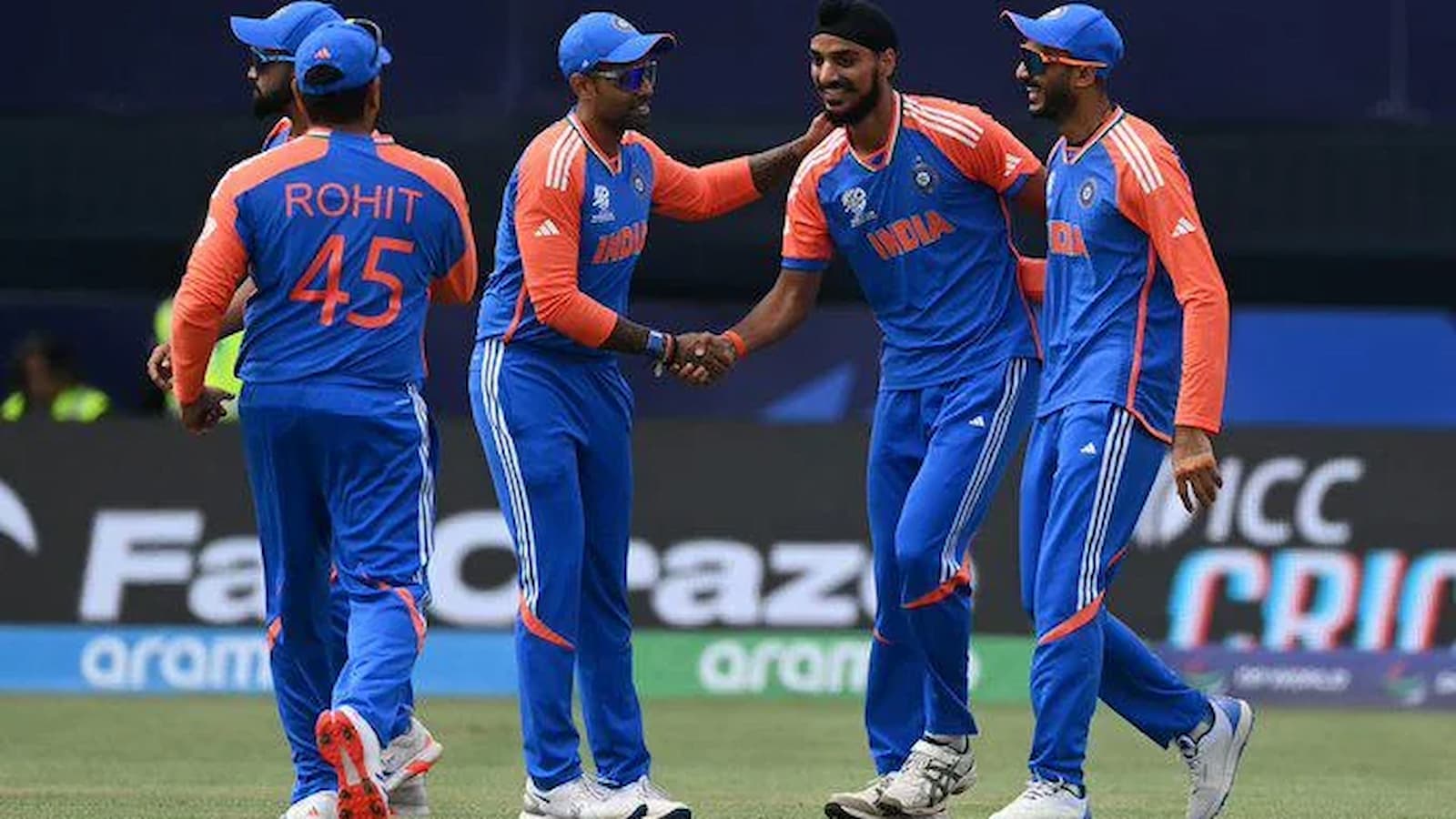
Cricket Game Awareness is one of the most important yet overlooked skills for beginners. While mastering batting, bowling, and fielding is crucial, understanding how the game flows—the timing, tactics, and psychology—defines whether a player becomes good or truly great.
Every successful cricketer possesses a deep sense of match awareness. It’s about reading the situation, adjusting strategy, and making smart choices that help the team. For new players stepping into competitive cricket, developing this awareness is what bridges the gap between talent and performance.
Let’s explore how players can build sharp Cricket Game Awareness, learn from real matches, and grow into intelligent, confident cricketers ready to make their mark on the field.
Why Cricket Game Awareness Is Vital For Every Young Cricketer
At its core, Cricket Game Awareness is about understanding the rhythm of the game. It teaches players when to attack, when to defend, and how to think strategically.
A player with awareness knows how to adapt to changing match conditions. For example, if the pitch is slow, they play late and rotate the strike. If the bowlers are dominating, they protect their wicket and build partnerships. Awareness helps players read the bowler’s intentions, field placements, and even the opponent’s mindset.
In professional cricket, awareness separates consistent performers from one-time wonders. Legendary players like MS Dhoni and Kane Williamson are admired not only for skill but for their calm, strategic reading of the game. They sense opportunities before they appear.
For beginners, developing Cricket Game Awareness means learning to think beyond personal performance and focus on the team’s situation—whether defending a total or chasing under pressure.
Understanding Situations: The Foundation Of Smart Decision-Making
A key part of Cricket Game Awareness is situational understanding. Every over, ball, and run changes the equation. Players who stay alert to these shifts can make better decisions that impact the match outcome.
For instance, in a tight run chase, a player aware of the required run rate knows when to take calculated risks. Similarly, in bowling, recognizing a batsman’s weakness allows a bowler to plan deliveries accordingly.
Beginners should start by watching professional matches closely. Observing how top players react in various conditions teaches more than hours of practice sometimes can. Match awareness grows from studying real examples—how bowlers adjust after being hit for a boundary, or how captains rotate fielders to build pressure.
By staying alert, reading body language, and recognizing momentum changes, new players can elevate their cricket IQ and sharpen their instincts in real time.
The Role Of Communication In Enhancing Cricket Game Awareness
Communication plays a huge role in building Cricket Game Awareness. Team sports like cricket depend on constant coordination—between batsmen, bowlers, and fielders.
For batsmen, quick calls like “yes,” “no,” or “wait” during running between wickets can save crucial runs and prevent unnecessary dismissals. Bowlers and captains communicate field adjustments before every ball to maintain consistency in plans.
Beginners should focus on listening and responding actively on the field. Clear, confident communication reduces confusion and builds unity. It also allows players to stay mentally involved in every moment of the match.
Good communication creates awareness across the team—everyone knows the plan, adapts faster, and performs better together. In short, a team with strong communication naturally exhibits high Cricket Game Awareness.
Reading The Pitch And Conditions To Improve Tactical Awareness
Every cricket match is played under different conditions, and recognizing them early gives players an edge. Developing Cricket Game Awareness starts with observing the environment before even stepping onto the pitch.
Beginners should notice how the ball behaves—whether it swings, seams, or spins. In humid weather, the ball might move more; in dry conditions, spinners may dominate. Similarly, the nature of the pitch affects shot selection and bowling lengths.
Understanding these nuances helps players adjust techniques and strategies. For example, on a bouncy pitch, batsmen avoid risky horizontal shots, while bowlers exploit short deliveries.
Field awareness also matters—knowing where gaps exist or which fielders have strong arms can influence scoring opportunities. Such tactical thinking shows a deep sense of Cricket Game Awareness, allowing players to adapt intelligently rather than react impulsively.
Building Awareness Through Practice And Match Simulation
Practice alone doesn’t guarantee awareness; it must include simulation of real match scenarios. Coaches often design training sessions that mirror live situations to boost Cricket Game Awareness.
For example, setting up a chase of 30 runs in three overs or defending 10 runs in the final over teaches pressure handling. These controlled situations train the mind to stay calm and make smart decisions.
New players should also review their matches afterward. Watching their own performances helps identify missed chances, poor shot selections, or fielding lapses. Reflection sharpens decision-making for future games.
With consistent match-like training, awareness becomes instinctive. Players start reacting naturally to pressure rather than panicking, showing that Cricket Game Awareness has become part of their mindset.
Learning From Experienced Players To Develop Match Sense
Mentorship accelerates growth. For beginners, observing experienced teammates or coaches helps build Cricket Game Awareness faster.
Senior players carry years of situational experience—they know when to attack, when to defend, and how to control momentum. Listening to their advice, observing their body language, and understanding their approach in tough situations can be incredibly insightful.
New players can ask questions about field placements, bowling changes, or batting strategies during breaks or training sessions. Many professionals credit their early awareness to mentors who guided them through practical game scenarios.
By combining observation with application, beginners can convert theory into on-field intelligence, raising their overall Cricket Game Awareness.
Mental Preparation: The Hidden Key To Awareness And Confidence
Mental strength is directly linked to Cricket Game Awareness. A focused mind processes information faster, recognizes patterns, and reacts with confidence.
Visualization is one powerful technique. Before matches, players imagine different scenarios—facing a tough bowler, defending the last over, or chasing under lights. This mental rehearsal conditions the brain to stay calm and alert during actual games.
Mindfulness and breathing exercises also improve concentration, helping players stay present rather than overthinking. When the mind is clear, awareness flows naturally, allowing better judgment.
Great cricketers thrive under pressure because they trust their preparation. For new players, adopting mental training early builds awareness, reduces anxiety, and enhances overall game control.
Using Technology And Data To Boost Cricket Game Awareness
In today’s era, technology plays a big role in developing Cricket Game Awareness. Video analysis tools allow players to review their performance ball by ball.
By studying replays, beginners can identify patterns in their batting, bowling, or fielding. They can see how bowlers set them up or how often they play risky shots. Coaches use data analytics to highlight areas of improvement, such as shot selection percentages or fielding efficiency.
Apps and wearable trackers now measure reaction times, footwork, and energy levels during matches. These insights help players adjust training routines and decision-making strategies.
Technology, when used wisely, complements awareness—it provides the information needed to think smarter and act faster in live games.
Consistency And Patience: The Path To Natural Match Awareness
Developing Cricket Game Awareness doesn’t happen overnight. It’s a gradual process built through continuous learning, observation, and self-discipline.
Beginners should focus on small improvements each game—like reading the bowler’s grip, predicting field placements, or timing singles better. Over time, these small habits form a strong foundation of awareness.
Every match adds a new lesson. Successes build confidence, while mistakes teach valuable insights. With patience and dedication, awareness becomes instinctive—a silent guide helping players make the right choices under pressure.
True cricketers don’t just play the game; they understand it deeply. And that’s what Cricket Game Awareness is all about—seeing the game from every angle and staying one step ahead always.
Read also:
england cricket team vs pakistan national cricket team match scorecard
south africa national cricket team vs afghanistan national cricket team match scorecard
sri lanka national cricket team vs bangladesh national cricket team timeline
afghanistan national cricket team vs south africa national cricket team match scorecard
