
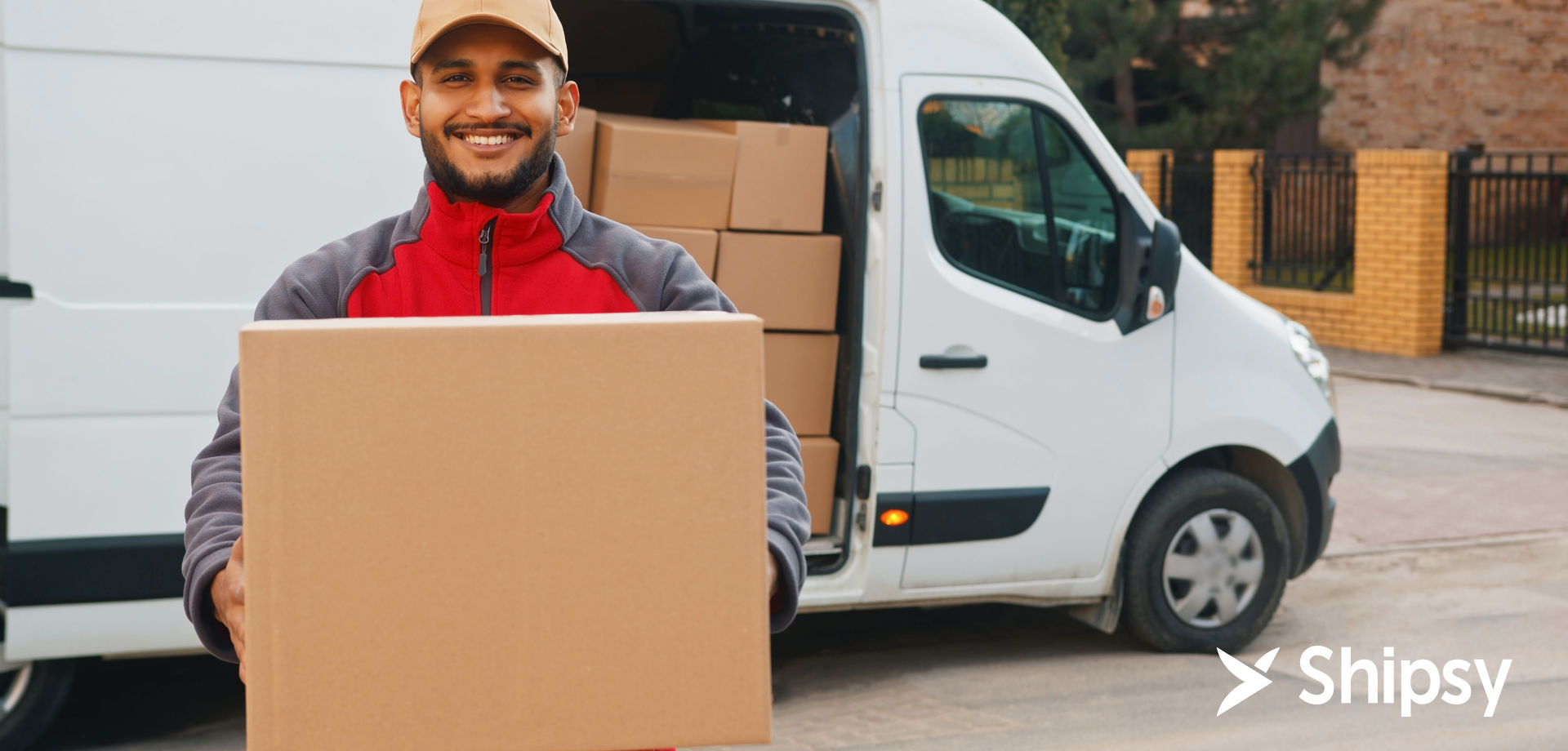
Last-mile delivery solutions have quietly become the backbone of modern commerce, shaping how customers experience speed, reliability, and trust in everyday deliveries. From groceries ordered at midnight to life-saving medicines reaching doorsteps in record time, the last mile is no longer just a logistics term. It is the moment where brands win or lose customer loyalty.
As eCommerce, food delivery, and hyperlocal services expand rapidly, businesses face rising expectations for same-day and even instant delivery. This pressure has pushed companies to rethink traditional logistics and invest in smarter systems that bring efficiency closer to the customer. The evolution of this space reflects real-world challenges, urban realities, and changing consumer behavior.
Understanding the Real Meaning of Last-Mile Delivery
Last-mile delivery refers to the final step of the supply chain where a package moves from a local distribution hub to the customer’s doorstep. While it sounds simple, this stage is often the most expensive and complex part of logistics. Traffic congestion, failed delivery attempts, and scattered customer locations add layers of difficulty.
In real life, this is the moment a delivery rider navigates narrow streets, gated communities, and unpredictable schedules. For customers, it is the only part of the logistics journey they actually see. That visibility makes this stage critical for brand reputation and customer satisfaction.
Why Last-Mile Delivery Has Become a Business Priority
Customer expectations have changed dramatically in the last decade. Fast delivery is no longer a premium feature but a basic requirement. Businesses that fail to meet these expectations risk losing customers to competitors who can deliver faster and more reliably.
Operational costs also play a major role. Studies and industry data consistently show that the last mile can account for more than half of total delivery expenses. This financial pressure has pushed companies to explore Last-mile delivery solutions that reduce cost without sacrificing speed or accuracy.
Urbanization has further complicated the scenario. Cities are becoming denser, parking is limited, and delivery windows are shrinking. Businesses that adapt to these realities gain a significant competitive advantage.
The Role of Technology in Modern Delivery Networks
Technology has transformed last-mile operations from manual processes into data-driven systems. Route optimization software helps drivers avoid congestion and reduce fuel consumption. Real-time tracking improves transparency and keeps customers informed at every step.
Artificial intelligence and machine learning analyze delivery patterns to predict demand and allocate resources more efficiently. These tools allow logistics managers to make smarter decisions based on real-time data rather than assumptions.
Mobile apps used by delivery partners streamline communication, proof of delivery, and customer interactions. These digital tools improve accountability while reducing human error across the delivery chain.
Urban Challenges Shaping Delivery Innovation
Cities present unique challenges that rural deliveries rarely face. Traffic congestion can turn a short distance into a long delay. Restricted delivery hours and limited parking add to operational complexity.
To address these issues, companies are designing delivery models tailored specifically for urban environments. Micro-fulfillment centers located closer to customers reduce travel distance and delivery time. Electric bikes and compact vehicles navigate tight streets more easily than traditional vans.
Local knowledge has become a valuable asset. Delivery partners familiar with neighborhoods can complete more successful deliveries, improving efficiency and customer satisfaction simultaneously.
How Customer Experience Drives Delivery Strategy
For customers, the delivery experience often defines their perception of a brand. A delayed or missed delivery can overshadow even the best product quality. On the other hand, a smooth and timely delivery builds trust and encourages repeat purchases.
Transparent communication plays a crucial role here. Customers appreciate accurate delivery windows, live tracking, and quick issue resolution. Businesses that prioritize these elements strengthen long-term customer relationships.
Personalization is also becoming important. Flexible delivery slots, contactless delivery options, and real-time updates align services with modern consumer lifestyles.
Sustainability and the Push for Greener Deliveries
Environmental concerns are now influencing delivery strategies worldwide. Traditional delivery models contribute significantly to carbon emissions, especially in congested urban areas.
Companies are responding by investing in electric vehicles, route optimization, and eco-friendly packaging. Some are experimenting with consolidated deliveries to reduce the number of trips required.
Sustainability is no longer just a corporate responsibility initiative. Customers actively support brands that demonstrate environmental awareness through practical actions, including cleaner delivery methods.
E-commerce Growth and Its Impact on Delivery Models
The rise of e-commerce has placed unprecedented demand on delivery infrastructure. Seasonal spikes, flash sales, and festive shopping events test the limits of logistics systems.
To cope with this demand, businesses are adopting scalable Last-mile delivery solutions that can handle fluctuating volumes without compromising service quality. Flexible workforce models and on-demand delivery networks help absorb sudden surges in orders.
Integration between online platforms and logistics systems ensures smoother order processing and faster fulfillment, reducing friction throughout the customer journey.
The Human Element Behind Delivery Success
While technology plays a critical role, human effort remains central to last-mile delivery. Delivery partners represent the brand during face-to-face interactions with customers.
Training, fair compensation, and supportive work environments directly impact delivery quality. Companies that invest in their delivery workforce often see better performance, lower attrition, and improved customer feedback.
Trust and reliability are built through consistent human interactions. A friendly delivery experience can leave a lasting positive impression, strengthening brand loyalty.
Security, Accuracy, and Trust in Deliveries
Package security is a growing concern as delivery volumes increase. Lost or damaged shipments erode customer trust and increase operational costs.
Advanced verification methods such as OTP-based delivery confirmation, digital signatures, and photo proof improve accountability. These measures protect both customers and businesses from disputes and errors.
Accurate address mapping and geolocation technology further enhance delivery success rates, especially in regions with informal addressing systems.
Regional Adaptation and Localized Strategies
No single delivery model works everywhere. Regional differences in infrastructure, consumer behavior, and regulations require customized approaches.
In densely populated cities, bike deliveries and walking couriers may outperform motorized vehicles. In suburban areas, optimized van routes may be more effective.
Businesses that localize their Last-mile delivery solutions based on regional insights achieve better efficiency and customer satisfaction than those using a one-size-fits-all approach.
Future Trends Shaping the Last Mile
The future of last-mile delivery is being shaped by innovation and experimentation. Autonomous vehicles, delivery drones, and smart lockers are already being tested in various markets.
While widespread adoption may take time, these innovations signal a shift toward faster, more autonomous delivery systems. Data-driven forecasting and predictive logistics will further reduce delays and operational inefficiencies.
Customer expectations will continue to rise, pushing businesses to stay agile and responsive in their delivery strategies.
Building Long-Term Value Through Smarter Delivery
Effective Last-mile delivery solutions are no longer just operational tools. They are strategic assets that influence brand perception, customer loyalty, and profitability.
Businesses that view last-mile delivery as an investment rather than a cost center position themselves for long-term success. By combining technology, human expertise, and local insights, companies can build delivery systems that scale sustainably.
In a competitive digital marketplace, the final mile is where promises are fulfilled. Brands that master this stage stand out not only for what they sell, but for how they deliver it.
Read also:
track tirupati courier
tirupati courier tracking shipway
zomhom. site
tirupati courier tracking online
