
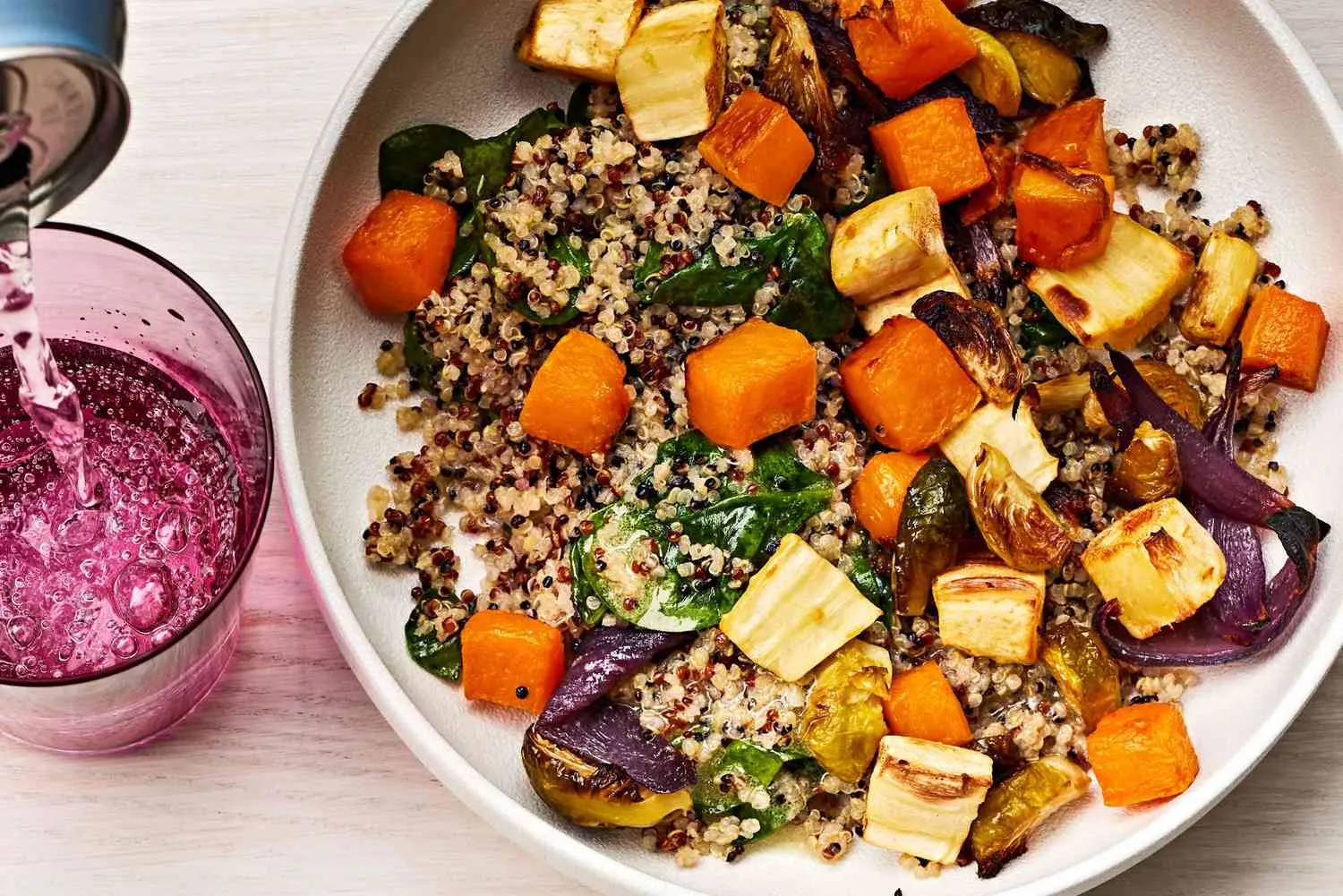
High-protein veg recipes are gaining popularity among health enthusiasts, vegetarians, and fitness-focused individuals who want to enjoy flavorful meals without compromising protein intake. Plant-based proteins from legumes, lentils, tofu, chickpeas, and quinoa make it possible to create satisfying dishes that nourish the body while staying completely vegetarian.
In busy households, finding protein-rich vegetarian meals can be challenging. Many people mistakenly believe that vegetarian diets are low in protein, but with thoughtful planning and the right ingredients, high-protein veg recipes can provide energy, fullness, and essential amino acids for all age groups.
Why High-Protein Veg Recipes Matter
Protein is a key macronutrient, crucial for muscle repair, hormone production, and overall health. High-protein veg recipes ensure vegetarians and vegans meet their daily protein requirements without relying on animal products.
Plant-based proteins are also beneficial for heart health, digestion, and weight management. Meals that include beans, lentils, tofu, and seeds provide fiber, vitamins, and minerals alongside protein, offering a balanced nutritional profile. Personal experiences show that people adopting these recipes feel more energized and satisfied compared to carb-heavy vegetarian meals.
Easy-to-Make High-Protein Veg Recipes
Starting with simple recipes is ideal for beginners exploring high-protein veg recipes. Lentil curries, chickpea salads, tofu stir-fries, and quinoa bowls are easy to prepare and require minimal ingredients.
For example, a simple chickpea salad with tomatoes, cucumbers, herbs, and a light dressing provides protein, fiber, and vitamins in a refreshing, quick-to-make dish. Home cooks report that such meals are not only satisfying but also save time during busy weekdays.
High-Protein Veg Recipes for Breakfast
Breakfast is an opportunity to boost protein intake with plant-based meals. High-protein veg recipes like moong dal cheela, tofu scramble, quinoa porridge, and chickpea pancakes provide sustained energy throughout the morning.
Using ingredients like soaked lentils, soy products, and fortified grains ensures a protein-rich start to the day. Families who include these breakfasts often notice improved satiety and focus, helping children and adults alike manage hunger until lunch.
Lunch and Dinner High-Protein Veg Recipes
Main meals can also be protein-packed with high-protein veg recipes. Lentil stews, chickpea curries, kidney bean salads, and vegetable stir-fries with tofu or tempeh are flavorful, nutritious, and easy to cook.
Cooking methods like steaming, sautéing with minimal oil, or baking preserve nutrients while enhancing taste. Real-life examples from urban households highlight that such meals are convenient for work lunches and family dinners, providing both nutrition and variety.
Incorporating Legumes and Lentils
Legumes and lentils are the backbone of many high-protein veg recipes. They are inexpensive, versatile, and rich in protein, fiber, and micronutrients. Dishes like dal makhani, masoor dal soup, and chickpea stew are popular for their flavor, texture, and protein content.
Combining legumes with grains like rice or quinoa ensures a complete amino acid profile, making vegetarian meals nutritionally balanced. Experienced cooks share that soaking and properly cooking legumes improves digestibility and flavor, enhancing the overall meal experience.
Tofu, Tempeh, and Soy-Based High-Protein Veg Recipes
Soy products like tofu and tempeh are excellent sources of plant-based protein. High-protein veg recipes using tofu can range from stir-fries and curries to grilled skewers and wraps. Tempeh can be marinated and baked or sautéed for a chewy, protein-rich addition to salads and bowls.
Seasoning and cooking techniques are key to maximizing flavor while preserving protein content. Personal anecdotes show that experimenting with marinades, spices, and sauces transforms tofu into a versatile ingredient that appeals even to picky eaters.
Quinoa, Buckwheat, and High-Protein Grains
Grains like quinoa, buckwheat, and amaranth are naturally high in protein and make excellent bases for high-protein veg recipes. Quinoa salads, stir-fried buckwheat noodles, and amaranth porridge provide complete proteins along with fiber and micronutrients.
These grains are also quick to cook and absorb flavors well, making them ideal for weekday meals. Home cooks often combine grains with vegetables, legumes, and nuts to create colorful, nutritious, and satisfying dishes.
Nuts, Seeds, and Plant-Based Protein Boosters
Adding nuts and seeds such as almonds, walnuts, pumpkin seeds, chia, and flax enhances the protein content of high-protein veg recipes. Sprinkling roasted seeds over salads, soups, or grain bowls introduces crunch, flavor, and essential nutrients.
Plant-based protein powders, like pea or soy protein, can also be incorporated into smoothies or batters for extra protein. These additions make vegetarian meals more filling and suitable for fitness enthusiasts aiming to meet higher protein goals.
International High-Protein Veg Recipes
The versatility of high-protein veg recipes extends globally. Mediterranean chickpea stews, Asian tofu stir-fries, Mexican bean bowls, and Indian dal-based dishes provide variety and flavor while staying vegetarian.
Exploring international cuisines introduces new spices, flavors, and cooking techniques, keeping plant-based meals exciting. Families report that trying global high-protein dishes has improved dietary diversity while increasing protein intake naturally.
Creative Twists on Traditional Recipes
Traditional vegetarian recipes can be adapted to become high-protein veg recipes. Adding lentils to soups, incorporating tofu in curries, or blending legumes into batters for pancakes transforms standard meals into protein-rich options.
Experimenting with textures, spice combinations, and presentation enhances appeal. Home cooks share that these small adaptations make familiar dishes both healthier and more satisfying, encouraging consistent adoption of high-protein vegetarian meals.
Meal Prep and Planning for High-Protein Veg Recipes
Meal prep makes sticking to high-protein veg recipes easier. Batch-cooking lentils, roasting tofu, and preparing quinoa in advance saves time during busy weekdays. Pre-chopped vegetables and cooked legumes allow for quick assembly of nutritious meals.
Families who incorporate meal prep often report reduced stress, more consistent protein intake, and greater variety in their diet. Planning also allows for seasonal ingredient substitutions, keeping meals fresh, exciting, and budget-friendly.
Nutritional Benefits and Health Impact
Regularly consuming high-protein veg recipes offers numerous health benefits. Adequate protein supports muscle growth, repair, and metabolism. Combined with fiber-rich vegetables and grains, these meals promote satiety, support digestion, and help maintain healthy weight.
Plant-based proteins also provide antioxidants, vitamins, and minerals essential for overall wellness. People who switch to protein-focused vegetarian diets report improved energy, better digestion, and enhanced overall health.
High-Protein Snacks and Side Dishes
High-protein snacks complement main meals and help meet daily protein needs. Roasted chickpeas, spiced lentil crackers, and nut-based energy bites are ideal examples of high-protein veg recipes suitable for snacking.
Incorporating these snacks between meals helps curb cravings, maintain energy levels, and boost protein intake without relying on animal-based products. Families often share that these snacks are a favorite among children and adults alike.
Sustainable and Budget-Friendly High-Protein Veg Recipes
Plant-based protein sources are often more sustainable than animal products. Incorporating legumes, tofu, and grains in high-protein veg recipes reduces environmental impact while remaining budget-friendly.
Seasonal vegetables and locally sourced legumes further enhance sustainability and reduce grocery costs. Home cooks report that focusing on plant-based protein not only benefits health but also aligns with eco-conscious eating habits.
Making High-Protein Veg Recipes a Lifestyle
Adopting high-protein veg recipes consistently requires planning, creativity, and experimentation. Gradually incorporating legumes, soy products, nuts, and protein-rich grains ensures that meals remain satisfying, flavorful, and nutritionally balanced.
Over time, these recipes become part of a healthy lifestyle, providing energy, fullness, and essential nutrients while keeping meals enjoyable. Families, fitness enthusiasts, and health-conscious individuals find that integrating protein-focused vegetarian dishes improves overall well-being and meal satisfaction.
Read also:
rancher menu
botejyu menu price list
mumbai taj hotel menu
taj menu card
