
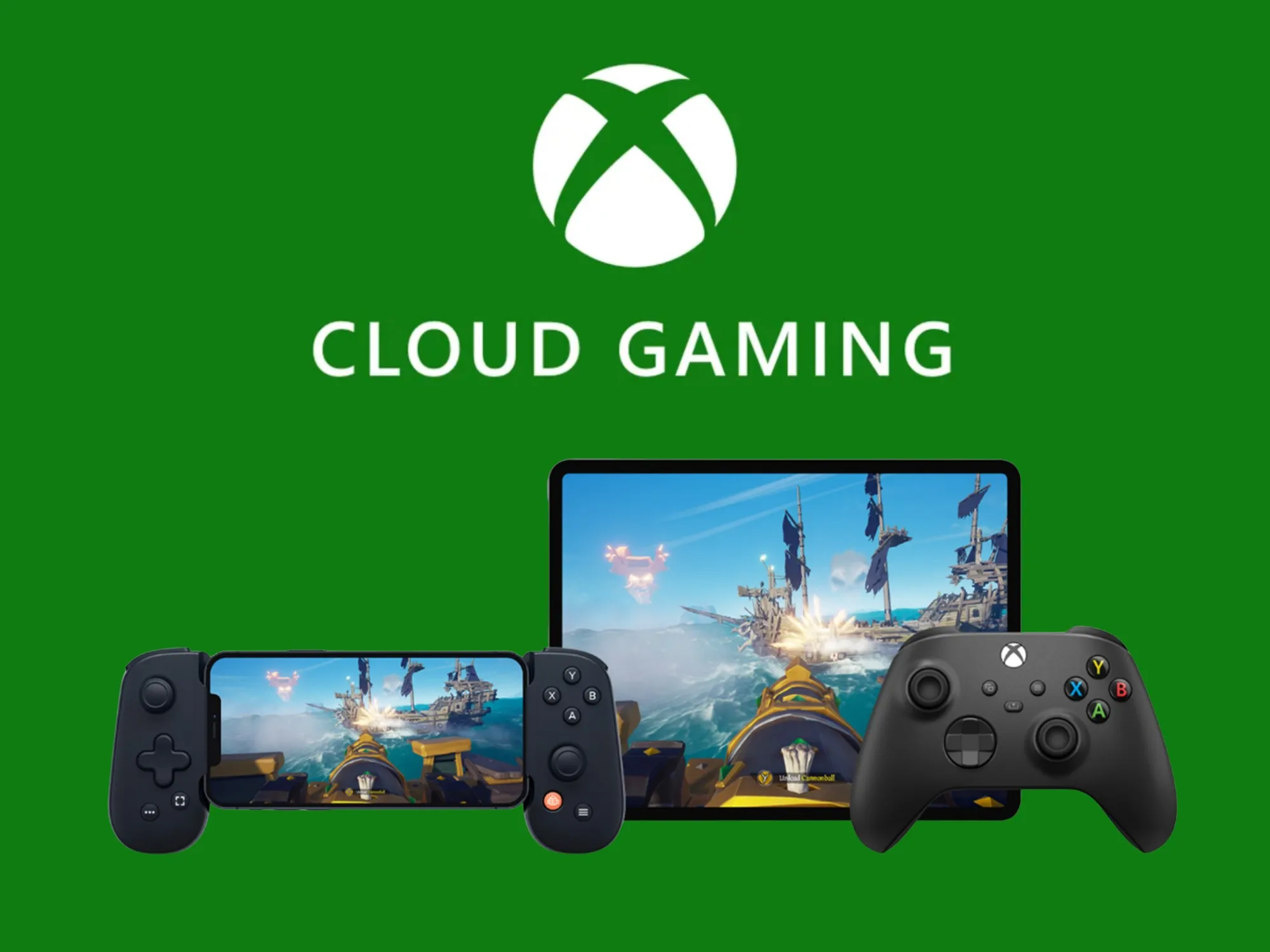
Cloud gaming platforms have fundamentally changed how millions of people experience video games in 2026. As someone who’s been gaming for over two decades and watched the industry evolve from cartridges to discs to downloads, I never imagined I’d be playing the latest AAA titles on my tablet during my morning commute. Yet here we are, living in an era where a high-speed internet connection matters more than owning a thousand-dollar gaming rig.
The promise of gaming anywhere, on any device, without massive downloads or hardware upgrades has finally become reality. What seemed like science fiction just five years ago is now part of everyday gaming culture. I recently helped my cousin start gaming seriously, and instead of recommending he spend two thousand dollars on a gaming PC, I pointed him toward streaming services that let him play immediately on the laptop he already owned.
The shift represents more than technological convenience—it’s democratizing access to gaming experiences that were previously locked behind expensive hardware requirements. Players in regions where high-end gaming equipment is prohibitively expensive or unavailable can now access the same titles as anyone else, leveling the playing field in ways the industry has never seen before.
Understanding the Technology Behind Game Streaming
The infrastructure powering these services is remarkably sophisticated. When you launch a game through a streaming platform, you’re actually accessing a powerful gaming computer sitting in a data center somewhere, often hundreds of miles away. Your inputs travel to that remote machine, which processes everything and streams the video back to your screen in real-time.
The magic happens in the milliseconds. Modern streaming technology has reduced latency to the point where most players can’t distinguish between local and cloud gameplay. Advanced video compression algorithms, edge computing nodes positioned closer to users, and predictive input processing all work together to create responsive experiences that rival traditional gaming.
Network optimization plays a crucial role in maintaining quality. These services use adaptive bitrate streaming that automatically adjusts video quality based on your connection speed, ensuring smooth gameplay even when bandwidth fluctuates. When I’m gaming on my home fiber connection, I get pristine 4K visuals, but the same service intelligently scales down to 1080p when I’m playing on hotel WiFi without interrupting my session.
The underlying infrastructure requires massive investment. Companies operate data centers filled with rack-mounted gaming hardware, sophisticated networking equipment, and redundant systems to ensure reliable service. A single data center might contain thousands of individual gaming instances, each capable of running the latest titles at maximum settings.
Comparing Major Players in the Streaming Market
The competitive landscape has matured significantly, with several major services offering distinct advantages depending on player preferences and circumstances. Each platform approaches the challenge differently, creating a diverse ecosystem that gives gamers genuine choices.
Some services focus on deep integration with existing game libraries, allowing players to stream titles they already own on other platforms. This approach appeals to gamers who’ve built substantial digital collections over years and want flexibility in how they access those games. I appreciate being able to play games from my library on any device without reinstalling or managing storage.
Subscription-based models provide access to curated game catalogs for monthly fees. These services work like Netflix for gaming, offering rotating selections of titles across genres and publishers. For players who enjoy variety and discovery, this model provides excellent value. My friend Sarah subscribes to one of these services specifically because she loves trying different games without committing to individual purchases.
Hardware manufacturer partnerships have created hybrid approaches where dedicated streaming devices provide optimized experiences while maintaining compatibility with phones, tablets, and computers. These solutions appeal to players who want reliability and simplicity without building or buying traditional gaming hardware.
Free-to-play focused platforms have emerged targeting mobile and casual gamers, demonstrating that cloud gaming platforms aren’t just for hardcore enthusiasts. These services recognize that millions of players care more about accessibility and convenience than absolute graphical fidelity or the latest blockbuster releases.
Real-World Performance Across Different Scenarios
Testing these services across various conditions reveals important truths about when streaming excels and where challenges remain. My experience using multiple platforms over the past two years has shown that real-world performance depends heavily on individual circumstances rather than marketing claims.
Home broadband with stable connections above 50 Mbps generally delivers excellent results. Single-player narrative games stream flawlessly, and even moderately competitive multiplayer titles feel responsive enough for enjoyable play. I’ve completed entire RPGs without noticing I wasn’t playing locally, and the convenience of switching devices mid-session is genuinely transformative.
Mobile connectivity presents more variability. 5G networks in urban areas often provide surprisingly good experiences, though coverage gaps and data caps remain limiting factors. I’ve successfully played during train rides through well-covered routes, but rural areas with spotty coverage create frustrating interruptions. The technology works beautifully when connectivity is strong but remains dependent on infrastructure beyond the platforms’ control.
Competitive gaming represents the remaining frontier. While latency has improved dramatically, players in competitive shooters or fighting games still notice the difference compared to local play. Professional esports competitors won’t abandon local hardware soon, but for casual competitive play, modern streaming has crossed the threshold of acceptability for most players.
Gaming cafes and public venues are discovering interesting use cases. Some establishments now offer streaming-based gaming instead of maintaining expensive hardware that requires constant upgrades. Customers can access premium gaming experiences at reasonable hourly rates, and cafe owners reduce their capital investment and maintenance burden substantially.
The Economics of Streaming Versus Traditional Gaming
The financial equation has shifted in ways that surprise many traditional gamers. When I calculate the total cost of gaming between ownership and streaming models, the results challenge conventional wisdom about which approach saves money.
Hardware depreciation is the hidden cost in traditional gaming. A gaming PC or console purchased today loses value immediately and becomes outdated within a few years. Upgrading components or buying new generations represents recurring expenses that add up significantly over time. I spent over three thousand dollars on gaming hardware in the past five years alone, before discovering streaming alternatives.
Subscription costs seem expensive at first glance, typically ranging from ten to twenty dollars monthly. However, when compared against hardware depreciation plus individual game purchases, many players find subscriptions more economical. A gamer paying fifteen dollars monthly spends a hundred eighty dollars annually but accesses libraries containing hundreds of titles without individual purchases.
Selective hybrid approaches offer the best of both worlds for many players. Some gamers maintain modest local hardware for specific titles while using streaming for everything else. My setup includes a mid-range laptop for work that adequately handles older games locally, but I stream newer releases that would require expensive upgrades to run well.
Energy consumption differences matter for environmentally conscious players and those with expensive electricity. Streaming shifts the power burden to data centers that operate at higher efficiency than individual gaming rigs. My electricity bill dropped noticeably after transitioning primarily to streaming, though this varies based on local energy costs and usage patterns.
Navigating Technical Requirements and Limitations
Success with cloud gaming platforms requires understanding practical requirements beyond marketing promises. The gap between ideal and minimum specifications determines whether you’ll have great experiences or constant frustration.
Internet speed represents the obvious requirement, but stability matters even more than raw bandwidth. A connection that fluctuates between 100 Mbps and 20 Mbps creates worse experiences than a steady 50 Mbps line. I’ve learned that consistent, reliable internet trumps occasionally fast speeds with regular dropouts or congestion.
Router quality and network configuration significantly impact performance. Many players experience problems caused by outdated routers, WiFi interference, or network congestion from other household devices rather than the streaming service itself. Upgrading my router and hardwiring my primary gaming device eliminated stuttering issues I initially blamed on the platform.
Data caps present serious concerns for heavy gamers in regions where internet service providers impose monthly limits. Streaming games consumes substantial bandwidth, particularly at higher quality settings. An hour of 4K streaming might use 10-15 GB of data, meaning serious gamers could hit terabyte caps faster than expected. I’m fortunate to have unlimited data, but friends with capped plans struggle with this limitation.
Device compatibility varies between services. While most platforms support common devices like Windows PCs, Macs, Android phones, and tablets, specific requirements for controllers, operating system versions, and browser capabilities create compatibility puzzles. Researching your specific device compatibility before subscribing prevents disappointing surprises.
Geographic availability remains limited for some services. Licensing restrictions, regulatory requirements, and infrastructure limitations mean not all platforms operate in all regions. Players should verify service availability in their location and understand any geographic restrictions on game libraries that might apply.
Building Your Optimal Streaming Setup
Creating the best possible experience requires thoughtful choices about equipment and configuration. After experimenting extensively, I’ve identified specific elements that dramatically improve streaming quality and enjoyment.
Controller selection matters more than many players expect. While keyboard and mouse work fine for many games, wireless controllers with Bluetooth connectivity provide flexibility across devices. I keep a quality wireless controller in my bag specifically for impromptu gaming sessions, and it works seamlessly across my phone, tablet, and laptop.
Display quality impacts visual enjoyment significantly. While streaming can deliver 4K video, the difference is most noticeable on larger screens with good color reproduction. My 27-inch monitor provides immersive experiences at home, while my tablet’s smaller screen still delivers excellent portable gaming despite lower resolution.
Audio equipment enhances immersion substantially. Good headphones create engaging soundscapes that cheap speakers can’t match, and they’re essential for multiplayer communication. I invested in comfortable wireless headphones specifically for gaming, and they’ve transformed how I experience narrative-driven titles.
Network prioritization through Quality of Service settings on your router can minimize interference from other household internet usage. Configuring QoS to prioritize your gaming device ensures consistent performance even when family members are streaming video or downloading files simultaneously.
Ergonomic considerations become important for longer sessions. Comfortable seating, proper screen height, and regular breaks matter just as much with streaming as traditional gaming. The convenience of streaming shouldn’t encourage unhealthy gaming habits or poor posture that leads to physical discomfort.
Content Libraries and Game Availability
The games accessible through these services determine their practical value more than any technical specification. Understanding what you can actually play, and under what terms, is essential for making informed decisions about which platforms suit your preferences.
First-party exclusive titles from major publishers increasingly launch day-one on affiliated streaming services. This represents a massive shift from traditional release patterns and provides subscribers immediate access to highly anticipated games without additional purchase. I played one of last year’s biggest releases the moment it launched, something that previously required preordering and expensive hardware.
Third-party catalog depth varies significantly between platforms. Some services offer hundreds or thousands of titles spanning decades of gaming history, while others focus on curated selections of recent releases. Your preference between breadth and curation should guide platform selection. I value variety and discovery, so larger catalogs appeal to me, but focused curators might suit players who feel overwhelmed by too many choices.
Individual game purchases complement subscription libraries on most platforms. This hybrid approach lets players maintain permanent access to specific favorites while exploring subscription offerings. When I discover a game I love through a subscription, I sometimes purchase it individually to ensure continued access even if it leaves the catalog.
Indie game representation has grown substantially as developers recognize streaming platforms as viable distribution channels. Many independent studios now launch simultaneously on traditional and streaming platforms, expanding their potential audience significantly. Some of my favorite gaming discoveries over the past year came through browsing indie selections on streaming services.
Cross-save functionality enables seamless transitions between streaming and local play for supported titles. Starting a game streaming during lunch and continuing from the same save on your home console creates genuinely flexible gaming experiences. Not all games support this feature yet, but adoption is growing as players demand it.
Privacy, Ownership, and Long-Term Considerations
Beyond technical and financial aspects, important questions about data, ownership, and sustainability deserve consideration when evaluating cloud gaming platforms for serious use.
Data collection and privacy policies vary between services, with some collecting extensive information about gaming habits, preferences, and behavior. Reading privacy policies reveals what data companies gather and how they use it. I’m personally comfortable with gameplay analytics that improve service quality but remain cautious about excessive data collection without clear user benefit.
Digital ownership questions become more complex with streaming. Subscription games provide access without ownership, meaning they could disappear from catalogs or become inaccessible if services shut down. This differs from purchased games, though even those face availability questions in an increasingly digital landscape. I maintain realistic expectations about long-term access to subscription content.
Service stability and company viability matter for players investing time and potentially money into these ecosystems. The streaming gaming market remains competitive, and not all current platforms will necessarily exist in five years. Choosing established services with demonstrated commitment to gaming reduces risk of sudden shutdowns.
Account security becomes critical when your entire gaming access depends on login credentials. Strong passwords, two-factor authentication, and careful account management protect against unauthorized access that could lock you out of your game library. I treat my streaming gaming accounts with the same security consciousness as banking credentials.
Environmental impact considerations favor streaming in some ways while raising questions in others. Data center efficiency reduces per-user energy consumption compared to individual gaming hardware, but the overall environmental equation includes cooling, infrastructure, and network transmission costs. Conscientious players can consider these factors alongside personal convenience.
The Evolution Ahead for Game Streaming
The trajectory of this technology suggests we’re still in the early phases of a transformation that will reshape gaming more dramatically than many realize. Watching the space evolve over the past several years provides clues about where things are heading.
Latency reduction continues improving through both infrastructure upgrades and clever technical solutions. Each generation of streaming technology shaves additional milliseconds off the delay between input and response. We’re approaching the threshold where even highly competitive play becomes viable for most gamers, not just casual audiences.
Quality improvements at lower bandwidth open streaming to more players globally. Advances in compression technology mean future services might deliver current quality levels at half the bandwidth requirements, or better quality at current bandwidth levels. This democratizes access for players in regions with developing internet infrastructure.
Integration with social features, content creation tools, and community platforms will likely deepen. Streaming eliminates many technical barriers to features like instant replay, streaming to audiences, and collaborative play. I anticipate these services becoming increasingly social and connected as they mature.
Virtual and augmented reality gaming represents an intriguing frontier. Streaming the intensive processing requirements of VR to headsets with minimal onboard computing could make immersive experiences more accessible and affordable. Early experiments in this direction show promise despite the increased latency sensitivity of VR applications.
The competitive landscape will likely consolidate somewhat as smaller players struggle against established platforms with deeper resources. However, niche services focused on specific genres, regions, or player communities might carve sustainable positions alongside larger competitors.
Gaming as it exists today is transforming before our eyes, and streaming platforms stand at the center of that transformation. Whether you’re a lifelong gamer curious about alternatives to expensive hardware or someone who’s always wanted to try gaming without major investment, understanding these services helps you make informed decisions about participating in gaming’s streaming future.
Read also :-
0.6 450wmiplamp model
miofragia
jheniferffc
how to open zithupafeduz
