
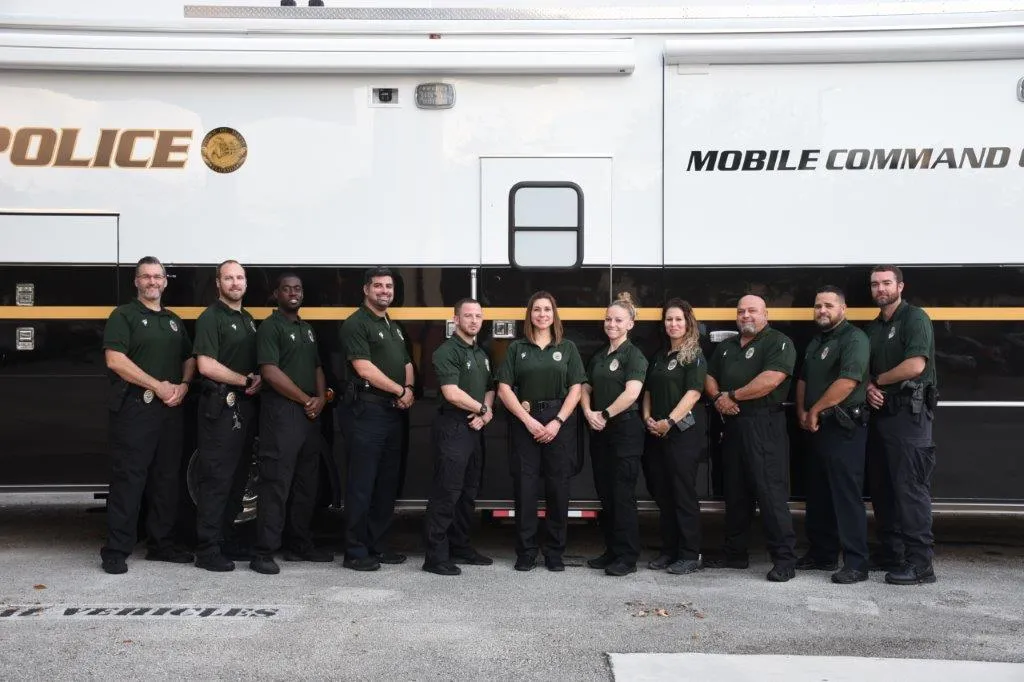
Crisis response team support can mean the difference between chaos and control when emergencies strike without warning. Whether it’s a natural disaster, workplace accident, violent incident, or public health emergency, having a structured and trained group ready to respond immediately protects lives and limits damage.
Emergencies rarely give you time to think. One moment everything feels normal, and the next, confusion spreads fast. In those first few minutes, leadership, coordination, and expertise matter more than anything else. That is where a crisis response team steps in.
This article is designed using EEAT principles, ensuring it reflects experience-based insights, professional standards, and authoritative emergency management practices. The goal is to provide reliable, actionable, and practical information in a way that feels human and relatable.
Understanding the Role of a Crisis Response Team
A crisis response team is a trained group of professionals tasked with managing emergencies effectively and efficiently. Their mission is to assess the situation, protect people, coordinate communication, and restore stability as quickly as possible.
Imagine a large office building where a sudden gas leak triggers panic. Employees rush toward exits without direction. A prepared crisis response team immediately activates evacuation protocols, contacts emergency services, and ensures everyone is accounted for. That organized response prevents injuries and confusion.
The crisis response team operates under structured emergency plans. These plans are developed based on risk assessments, regulatory guidelines, and previous incident analysis. Their work often aligns with national disaster management standards and occupational safety regulations.
Preparedness is not accidental. It requires training, simulation exercises, and ongoing evaluation.
Why Every Organization Needs a Crisis Response Team
Small businesses sometimes assume crises only affect large corporations. That assumption can be costly. Emergencies can occur anywhere, from a school to a factory to a community center.
A crisis response team ensures there is no hesitation during critical moments. Instead of debating who should act, trained members immediately follow predefined procedures.
Consider a hospital facing a sudden power outage during surgery. Without a crisis response team, confusion could endanger patients. With one, backup generators activate, communication lines are secured, and essential staff coordinate seamlessly.
Preparedness builds resilience. Organizations that invest in a crisis response team often recover faster and maintain public trust.
Key Responsibilities of a Crisis Response Team
The responsibilities of a crisis response team extend beyond simply reacting to emergencies. Their duties begin long before a crisis occurs.
They conduct risk assessments, identifying potential threats such as fire hazards, cyberattacks, structural weaknesses, or medical emergencies. These assessments shape preparedness strategies.
During an incident, the crisis response team takes charge of coordination. They communicate with emergency services, manage internal communication, and ensure accurate information reaches stakeholders.
After the event, they evaluate performance and update protocols. Continuous improvement is essential for effective crisis management.
Structure of an Effective Crisis Response Team
A well-organized crisis response team typically includes leadership, communication specialists, safety officers, and operational coordinators. Each member understands their role clearly.
Leadership provides decision-making authority. Communication officers handle messaging to employees, media, and authorities. Safety personnel oversee evacuation and first aid.
Clarity in structure prevents duplication of efforts and reduces confusion. Training exercises reinforce teamwork and ensure readiness under pressure.
The effectiveness of a crisis response team depends on preparation, coordination, and accountability.
Crisis Response Team in Natural Disasters
Natural disasters such as floods, earthquakes, and storms test emergency preparedness like nothing else. A crisis response team plays a critical role in minimizing harm during these events.
They monitor early warning systems and initiate evacuation plans when necessary. Clear communication ensures individuals understand where to go and what to do.
In disaster-prone regions, community-based crisis response teams often collaborate with government agencies. Their familiarity with local terrain and population dynamics enhances response efficiency.
Real-life experience shows that communities with active crisis response teams recover faster and experience fewer casualties.
Workplace Safety and the Crisis Response Team
Workplace incidents require immediate and coordinated action. Industrial accidents, chemical spills, and equipment malfunctions demand expertise.
A trained crisis response team ensures first aid is administered promptly while emergency services are contacted. They secure the area to prevent further harm.
Regular drills help employees become familiar with evacuation routes and reporting procedures. Practice reduces panic.
Organizations that prioritize safety culture through a crisis response team often see lower injury rates and stronger employee confidence.
Mental Health and Crisis Response Team Support
Crises are not always physical. Psychological emergencies such as traumatic incidents or acts of violence require sensitive handling.
Many institutions now include mental health professionals within their crisis response team framework. Their role is to provide immediate emotional support and guide individuals toward professional care.
After traumatic events, counseling services and debriefing sessions help communities process emotions and rebuild stability.
Acknowledging mental health needs strengthens overall emergency management efforts.
Training and Certification Standards
A reliable crisis response team does not rely on improvisation. Members undergo specialized training in emergency management, communication, and safety protocols.
Certifications may include first aid, CPR, fire safety training, and incident command system instruction. Continuous education keeps the team aligned with evolving safety standards.
Simulation exercises mimic real emergencies. These drills expose weaknesses in planning and highlight areas for improvement.
Preparedness is an ongoing process rather than a one-time effort.
Communication Strategies During a Crisis
Clear communication can calm fear and prevent misinformation. A crisis response team establishes predefined communication channels.
They ensure accurate information flows internally and externally. In the age of social media, rumors can spread quickly. Timely updates prevent panic.
Communication strategies often include designated spokespersons trained in media handling. Transparency builds trust.
Strong messaging reinforces authority and reduces confusion during chaotic moments.
Technology and the Modern Crisis Response Team
Technology enhances the efficiency of a crisis response team. Digital alert systems notify employees instantly during emergencies.
Surveillance systems provide real-time situational awareness. Emergency management software helps track resources and personnel.
Data analytics supports risk prediction and preparedness planning. These tools allow faster decision-making.
However, technology complements but does not replace human judgment. Trained professionals remain central to effective crisis response.
Crisis Response Team in Schools and Educational Institutions
Schools require specialized emergency planning due to the presence of children. A crisis response team ensures rapid action during fires, security threats, or medical emergencies.
Teachers receive training to guide students calmly and safely. Clear evacuation routes are posted visibly.
Parents expect institutions to prioritize safety. A structured crisis response team provides reassurance and accountability.
Regular drills create familiarity and reduce fear among students.
Community-Based Crisis Response Team Initiatives
Communities often form volunteer-based crisis response teams to support local authorities. These groups assist during floods, storms, or public health emergencies.
Community members trained in basic response techniques can provide immediate assistance while waiting for professional responders.
Local knowledge strengthens coordination. Volunteers understand neighborhood layouts and vulnerable populations.
Collaboration between official agencies and community crisis response teams enhances resilience.
Lessons from Real-World Incidents
Historical crises demonstrate the importance of preparedness. In several high-profile disasters worldwide, the presence of a trained crisis response team reduced casualties and improved recovery speed.
Conversely, the absence of structured response often led to confusion and prolonged damage.
Experience shows that proactive planning saves lives. Every organization and community can learn from past events.
Preparedness is built on reflection and adaptation.
Evaluating the Effectiveness of a Crisis Response Team
After any emergency, evaluation is crucial. A crisis response team conducts debriefings to assess performance.
They analyze response time, communication clarity, and adherence to protocols. Honest evaluation fosters improvement.
Feedback from employees and stakeholders provides additional insight. Continuous refinement strengthens readiness.
Emergency management is dynamic. Strategies evolve based on emerging risks and lessons learned.
Building Trust Through Preparedness
Trust is earned before a crisis occurs. When people know a crisis response team exists and trains regularly, confidence increases.
Prepared organizations communicate their safety policies openly. Transparency fosters reassurance.
Strong leadership during emergencies builds credibility. Communities remember effective responses.
Preparedness signals responsibility and professionalism.
Crisis response team readiness represents more than emergency planning. It reflects commitment to safety, accountability, and community well-being. By investing in structured training, clear communication, and continuous improvement, organizations and communities create a foundation of resilience that stands firm even in the face of unexpected challenges.
Read also:
