
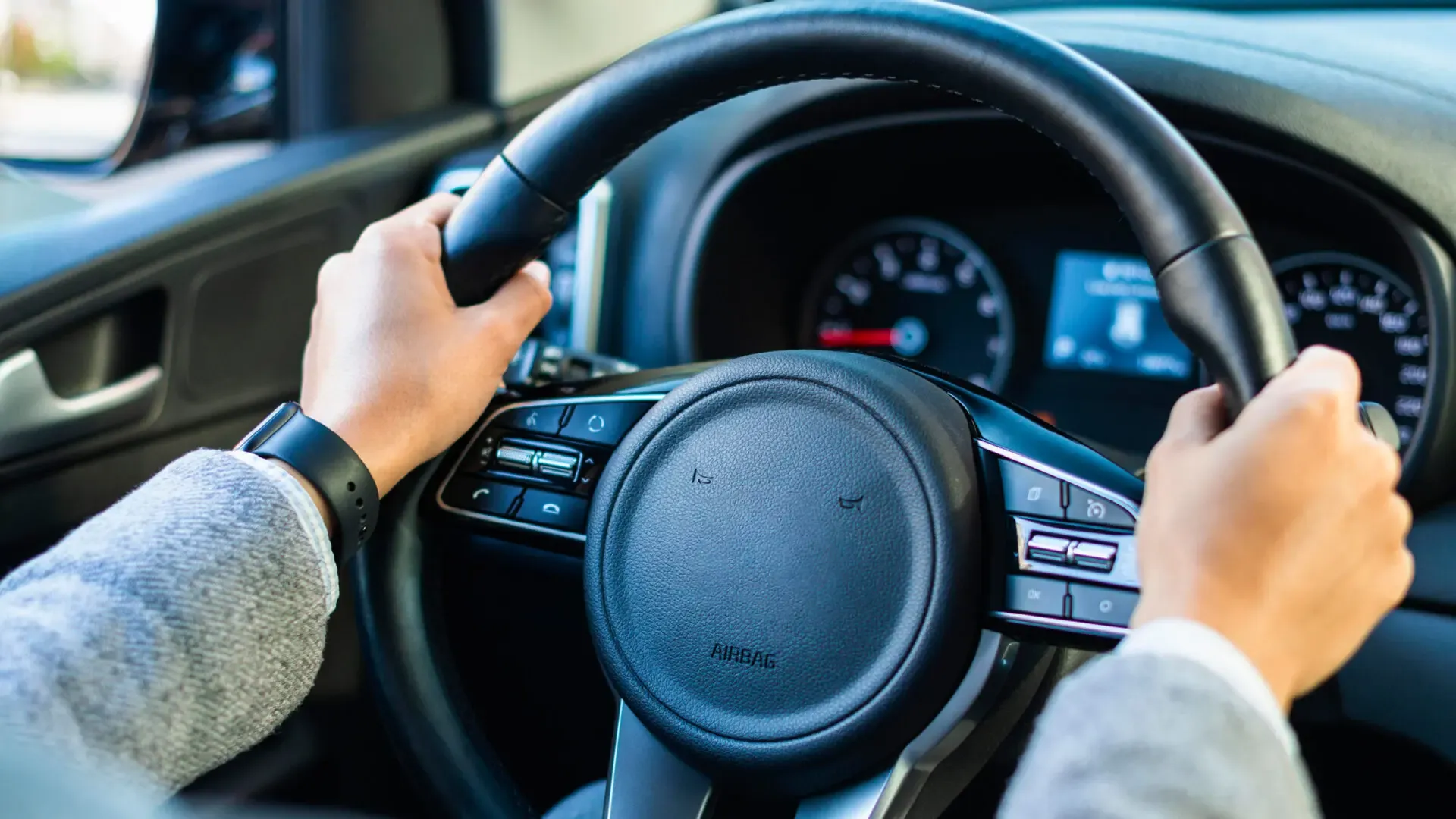
Defensive driving tips often sound like common sense until the moment something unexpected happens on the road. A sudden brake, a distracted driver drifting lanes, or a pedestrian stepping out without warning can turn an ordinary drive into a stressful situation. Defensive driving is not about driving slowly or being afraid. It is about awareness, anticipation, and smart decision-making.
Every experienced driver has a story. A near miss at an intersection, a close call during rain, or a split-second choice that prevented an accident. These moments are reminders that driving is not only about controlling your own vehicle but also about reading the environment around you.
As traffic increases and distractions multiply, defensive driving becomes less of a recommendation and more of a life skill. It protects not only the driver but passengers, pedestrians, and everyone sharing the road.
Understanding the Core Philosophy of Defensive Driving
Defensive driving starts with mindset. The idea is simple but powerful: assume that mistakes will happen around you and be prepared to respond safely. This mental shift changes how drivers approach everyday situations.
Instead of reacting emotionally to aggressive behavior, defensive drivers focus on creating space and time. They plan escape routes, maintain safe following distances, and stay alert to patterns in traffic flow. This proactive approach reduces panic when conditions change suddenly.
Experienced instructors often emphasize that defensive driving is learned through observation as much as practice. The more drivers understand common road behaviors, the better they can anticipate risks.
Why Defensive Driving Tips Matter More Than Ever
Modern roads are more complex than they were a decade ago. Increased vehicle density, faster commutes, and widespread mobile phone use have raised accident risks. Defensive strategies help drivers adapt to this reality.
Statistics consistently show that many accidents are preventable with better awareness and judgment. Defensive techniques address human error rather than relying solely on rules. They encourage drivers to think ahead instead of reacting late.
For new drivers, these habits build confidence. For experienced drivers, they act as a reminder that complacency is one of the biggest dangers on the road.
Defensive Driving Tips for Maintaining Situational Awareness
Awareness is the foundation of safe driving. A defensive driver constantly scans the road, mirrors, and surroundings. This does not mean being tense. It means staying mentally engaged.
Drivers who practice awareness notice subtle cues. A car ahead drifting slightly may indicate distraction. Brake lights several vehicles ahead signal upcoming slowdowns. These early signals allow smoother, safer responses.
Real-life experience shows that most close calls happen when attention slips briefly. Defensive awareness minimizes these lapses by keeping the driver mentally present.
Managing Speed and Distance with Defensive Driving Tips
Speed control is not just about obeying limits. It is about adjusting to conditions. Defensive drivers reduce speed during rain, fog, or heavy traffic even if the posted limit allows faster travel.
Maintaining distance is equally critical. Adequate following space provides reaction time when the unexpected occurs. Tailgating removes this safety buffer and increases stress for everyone involved.
Drivers who consistently manage speed and distance report feeling more relaxed behind the wheel. This calmness improves decision-making and reduces aggressive reactions.
Defensive Driving Tips for Handling Aggressive Drivers
Aggressive driving is one of the most common threats on the road. Honking, speeding, or sudden lane changes create unpredictable situations. Defensive driving teaches drivers not to engage.
Experienced drivers often share that avoiding eye contact and giving space defuses tension. Yielding does not mean losing. It means prioritizing safety over ego.
By staying calm and focused, defensive drivers prevent minor conflicts from escalating into dangerous encounters.
The Role of Anticipation in Defensive Driving
Anticipation separates reactive driving from defensive driving. This skill involves predicting what other road users might do next. Intersections, merging lanes, and pedestrian crossings are common risk zones.
For example, a vehicle approaching an intersection slightly too fast may run a yellow light. Anticipating this possibility helps a defensive driver delay entry and avoid collision.
This habit develops over time. Drivers who consciously practice anticipation become smoother and more confident on the road.
Weather and Environmental Challenges
Rain, fog, and glare significantly reduce visibility and traction. Defensive driving adapts to these conditions rather than ignoring them. Slower speeds, gentler braking, and increased following distances become essential.
Many accidents occur because drivers fail to adjust behavior when weather changes. Defensive habits counter this by encouraging flexibility and caution.
Seasoned drivers often say that respecting weather conditions is one of the most underrated safety skills.
Defensive Driving Tips for Urban Traffic
City driving presents unique challenges. Frequent stops, pedestrians, cyclists, and unpredictable traffic patterns demand constant attention. Defensive drivers treat urban roads as shared spaces rather than competitive arenas.
Observing sidewalks and crosswalks helps anticipate pedestrian movement. Watching parked cars reduces the risk of sudden door openings. These small adjustments make a significant difference.
Urban defensive driving is about patience. Rushing rarely saves meaningful time and often increases risk.
Highway Driving and Defensive Strategies
Highways may seem safer due to fewer intersections, but higher speeds amplify mistakes. Defensive drivers on highways maintain awareness of surrounding vehicles, especially in blind spots.
Smooth lane changes and early signaling reduce surprises. Staying out of aggressive clusters and allowing faster vehicles to pass maintains safety.
Drivers who adopt defensive highway habits often report fewer stressful moments during long trips.
Fatigue, Distraction, and Defensive Awareness
Mental state matters as much as driving skill. Fatigue slows reaction time and impairs judgment. Defensive drivers recognize personal limits and take breaks when needed.
Distractions, particularly mobile devices, are a major threat. Defensive driving encourages minimizing in-car distractions and keeping focus on the road.
Personal stories from accident survivors frequently highlight distraction as a key factor. Defensive habits aim to eliminate this risk.
Teaching Defensive Driving to New Drivers
Passing knowledge to new drivers strengthens road safety culture. Parents, instructors, and mentors play a crucial role in modeling defensive behavior.
New drivers often mirror what they observe. Calm, attentive driving sets a powerful example. Over time, these habits become second nature.
Structured training programs reinforce these lessons, combining theory with practical experience.
Technology and Defensive Driving Tips
Modern vehicles include advanced safety features such as collision warnings and adaptive cruise control. These tools support defensive driving but do not replace it.
Experienced drivers understand technology as an aid rather than a guarantee. Staying alert remains essential even with advanced systems.
When used responsibly, technology enhances defensive awareness and reduces reaction time.
Building Trust and Authority Through Defensive Driving
Professional drivers, instructors, and fleet operators rely heavily on defensive principles. Their experience demonstrates that safety-focused driving reduces accidents and costs.
Insurance data often reflects lower claim rates among drivers trained in defensive techniques. This measurable impact reinforces credibility.
Over time, consistent defensive behavior builds trust not only with insurers but with passengers and other road users.
How Defensive Driving Tips Improve Everyday Life
The benefits extend beyond accident prevention. Defensive driving reduces stress, road rage, and fatigue. Drivers arrive at destinations calmer and more focused.
Families, commuters, and professionals all benefit from safer journeys. The ripple effect includes fewer injuries, lower repair costs, and improved community safety.
When practiced consistently, defensive driving tips become part of daily routine rather than conscious effort.
Read also:
