
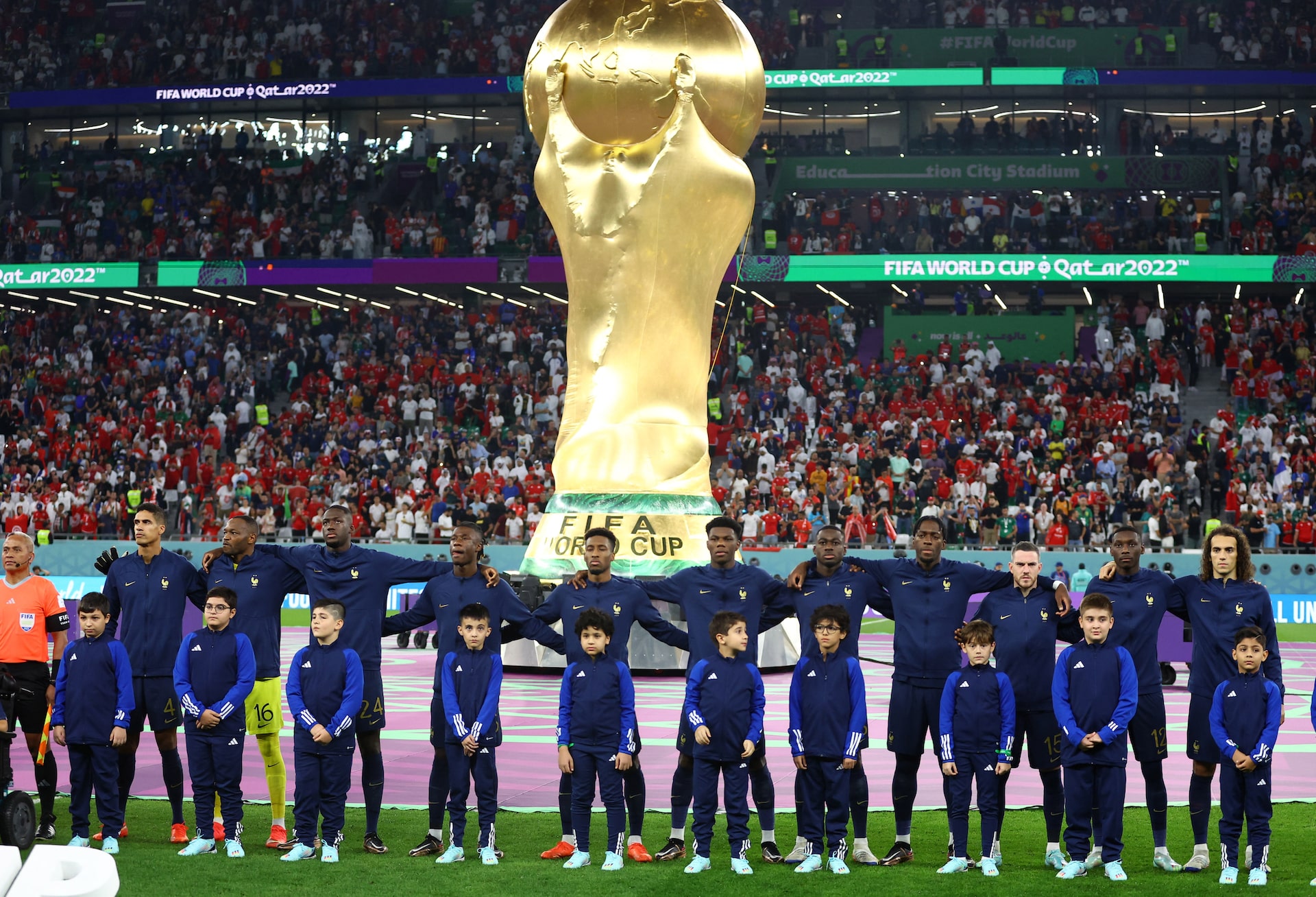
FIFA World Cup anthem traditions hold a mirror to the soul of global football, capturing the energy of billions within a few minutes of musical composition. These songs are far more than just commercial jingles or background tracks for highlight reels; they are the emotional connective tissue of the tournament. When the first notes of a tournament song ring out, they trigger a visceral reaction, signaling that for one glorious month, the world is united by a single ball and a shared dream.
The relationship between music and football is ancient, but the concept of an official song or anthem didn’t truly take shape until the early 1960s. Before that, fans relied on local stadium chants and brass bands to create an atmosphere. It was during the 1962 tournament in Chile that the world was introduced to “El Rock del Mundial” by Los Ramblas. This track was a simple, upbeat rock and roll number that perfectly captured the youthful energy of the decade, proving that music could elevate the sporting experience.
As the decades progressed, the scale of the music grew alongside the scale of the television audience. By the time the tournament reached England in 1966, “World Cup Willie” became a mascot-driven hit that showcased the commercial potential of the event. It wasn’t just about the melody; it was about creating a brand that resonated with children and adults alike. This era set the stage for the massive, multi-platinum collaborations we see today between international superstars and sporting governing bodies.
Many of us can recall exactly where we were when a specific FIFA World Cup anthem dominated the airwaves. Whether it was the sweltering summer of 1990 or the vibrant winter of 2022, the music serves as a temporal anchor. These songs have the power to evoke memories of dusty playgrounds, shared tears in crowded pubs, and the feeling of national pride that only football can provide. They are the soundtracks to our lives, written in the key of competition and camaraderie.
The Cultural Impact of the FIFA World Cup Anthem
The cultural weight of these songs cannot be overstated, as they often bridge gaps between languages and borders that politics cannot touch. A successful FIFA World Cup anthem must be catchy, but it also needs to incorporate local cultural elements from the host nation. This delicate balance allows the world to learn a bit about the host’s soul through its rhythms. For example, the 1990 Italian anthem “Un’estate italiana” remains a masterpiece of operatic pop that reflects Italy’s artistic heritage and emotional intensity.
Giorgio Moroder, the legendary producer behind the 1990 hit, understood that football is a drama that requires a grand score. The song’s powerful vocals and soaring melody created a sense of epic destiny that perfectly matched the performances of stars like Salvatore Schillaci. To this day, many purists consider it the greatest of all time because it prioritized raw emotion over commercial polish. It felt like a genuine expression of the “magical nights” that define the Italian footballing experience.
Moving into the late 1990s, the music shifted toward a more global, radio-friendly pop sound. Ricky Martin’s “The Cup of Life” (La Copa de la Vida) for the 1998 tournament in France was a revolutionary moment. It brought Latin pop to the forefront of the global stage, proving that a song could be a massive dance floor hit while still serving as a call to arms for football fans. The “Ale, Ale, Ale” refrain became a universal language, easily chanted by fans from Tokyo to Buenos Aires.
This shift toward superstar-led anthems continued into the 2000s, with artists like Anastacia, Vangelis, and Il Divo bringing diverse genres to the tournament. Vangelis, known for his cinematic scores, provided an orchestral anthem in 2002 that felt futuristic and ethereal, reflecting the innovative spirit of co-hosts South Korea and Japan. Meanwhile, Anastacia’s “Boom” brought an American R&B energy that appealed to a younger, digital-native audience that was beginning to consume the game through social media and early internet platforms.
Evolution of the FIFA World Cup Anthem through the Decades
The year 2010 marked perhaps the most significant milestone in the history of the FIFA World Cup anthem with the release of “Waka Waka (This Time for Africa)” by Shakira. This track became a global phenomenon, garnering billions of views and becoming one of the best-selling singles in history. By blending Colombian pop sensibilities with African rhythmic structures and lyrics from a traditional Cameroonian song, Shakira created a truly pan-continental anthem.
While “Waka Waka” was the official song, the 2010 tournament also saw the rise of unofficial hits like K’naan’s “Wavin’ Flag.” The fact that both songs are so closely associated with the South African World Cup highlights how competitive the musical landscape has become. Fans often choose their own anthems, gravitating toward tracks that feel more organic or representative of the street-level passion for the game. This competition between official and unofficial tracks keeps the musical ecosystem vibrant and unpredictable.
In 2014, the tournament returned to the spiritual home of football, Brazil. Pitbull, Jennifer Lopez, and Claudia Leitte collaborated on “We Are One (Ole Ola).” This track aimed to capture the carnival spirit of Brazil, incorporating samba drums and high-energy electronic beats. While it faced some local criticism for not being “Brazilian enough,” its commercial success was undeniable. It showcased the modern trend of assembling a “supergroup” of artists to ensure the song has maximum appeal across multiple major markets.
The 2018 Russian World Cup took a different path with “Live It Up,” featuring Nicky Jam, Will Smith, and Era Istrefi. Produced by Diplo, this track leaned heavily into reggaeton and rap, reflecting the genres that were dominating the global charts at the time. It was a fast-paced, high-energy anthem designed to be played in loud stadiums and at pre-game parties. The inclusion of Will Smith brought a level of Hollywood glamour to the event, reminding everyone that the World Cup is as much a media spectacle as it is a sporting competition.
By the time we reached Qatar in 2022, the strategy had evolved again. Instead of a single FIFA World Cup anthem, there was an entire official soundtrack featuring multiple songs like “Hayya Hayya (Better Together)” and “Tukoh Taka.” This multi-song approach allowed FIFA to target different cultural and linguistic demographics simultaneously. “Tukoh Taka,” featuring Nicki Minaj, Maluma, and Myriam Fares, was a bold experiment in trilingual pop, mixing English, Spanish, and Arabic to reflect the first-ever Middle Eastern World Cup.
The technical production of these songs has become a masterclass in global marketing. Sound engineers and producers now meticulously layer tracks to ensure they sound just as good on a smartphone speaker as they do through a massive stadium PA system. They use specific frequencies that can cut through the noise of a roaring crowd, ensuring that the hook of the song remains recognizable even in the most chaotic environments. This is a far cry from the simple rock and roll recordings of the early sixties.
Music also plays a critical role in the opening and closing ceremonies, which have grown into Olympic-scale productions. These ceremonies are the primary platform for the anthem to be performed live for a global audience of billions. When an artist stands in the center of the pitch, surrounded by dancers and pyrotechnics, the song becomes a visual spectacle. This performance often sets the tone for the entire tournament, creating an initial burst of excitement that carries through to the first kickoff.
We must also acknowledge the “classical” side of World Cup music. While the pop songs get the radio play, the orchestral themes used during the television broadcasts are just as iconic. The dramatic, horn-heavy theme that plays before every match broadcast on TV is a signal to fans to drop everything and focus on the screen. These instrumental pieces provide a sense of gravitas and tradition, reminding us that we are watching a prestigious event with a long and storied history.
The process of selecting the official music is shrouded in secrecy and involves high-level negotiations between FIFA and major record labels. They look for artists who have a clean, global image and a massive following on social media. The goal is to find a track that is “brand safe” but also “cool” enough to resonate with Gen Z fans. It is a difficult needle to thread, and every selection is met with a mixture of praise and intense scrutiny from the global footballing community.
The lyrics of these anthems typically revolve around universal themes of unity, perseverance, and the celebration of life. Words like “together,” “dream,” “glory,” and “world” are staples of the genre. While some critics argue that these themes can be repetitive, they are chosen because they are easily translatable and resonate with people from all walks of life. The goal is not to create a complex poetic masterpiece, but to create a chantable mantra that everyone can get behind.
Unofficial anthems often provide a more rebellious or local alternative to the corporate-led official songs. In England, “Three Lions” by Baddiel, Skinner, and the Lightning Seeds has become the definitive anthem for the national team, despite never being a FIFA official song. Its self-deprecating lyrics about “thirty years of hurt” resonate with the specific experience of being an English fan. This illustrates that the true FIFA World Cup anthem is often the one that fans choose to sing in the rain while waiting for a bus after a disappointing draw.
In many Latin American countries, the music of the World Cup is synonymous with the street parties known as “fan fests.” These massive public screenings are where the music truly comes to life. Thousands of people dancing in unison to a reggaeton beat creates a sense of community that is hard to replicate anywhere else. In these moments, the song is no longer a commercial product; it is a catalyst for collective joy and a release of the tension that comes with supporting a national team.
The digital era has also allowed for “remix culture” to take hold. Within hours of an anthem being released, producers around the world create their own versions, from deep house remixes to lo-fi chill beats. This allows the song to live in different spaces, from the gym to the club to the study room. It extends the life of the anthem far beyond the month of the tournament, ensuring that it remains in the public consciousness for years to come.
As we look toward the 2026 World Cup, which will be hosted across Canada, Mexico, and the United States, the musical possibilities are endless. This tournament will be the largest in history, and the music will likely reflect the incredible diversity of the North American continent. We can expect a fusion of hip-hop, country, reggaeton, and perhaps even indigenous musical elements. The challenge for the producers will be to create a sound that feels cohesive across three vast and different nations.
The expertise required to curate a World Cup soundtrack is immense. It requires an understanding of musicology, global trends, and the specific psychology of the football fan. The people behind these songs are often the best in the business, having worked with the world’s biggest stars. Their goal is to create a “sonic logo” for the tournament, something that can be identified in just a few notes. This level of professional craftsmanship is what ensures the music stands the test of time.
Trust is also a major factor in how these songs are received. Fans can tell when a song is purely a “cash grab” versus when it has a genuine heart. The most successful anthems are those where the artists seem to truly care about the sport and the message of the song. When Shakira performed in South Africa, her enthusiasm for the culture and the event was palpable, which is a major reason why the song was so well-received by the local population.
The future of the World Cup music scene may also involve more interactive elements. Imagine a world where fans can vote on certain elements of the song or where the anthem evolves based on the results of the matches. With the rise of AI and real-time data, the possibilities for personalized or generative music are fascinating. However, at its core, the anthem will always be about the human voice and the simple power of a melody to bring people together.
The spectacle of the World Cup is a multi-sensory experience. We see the green grass, we hear the whistle of the referee, and we feel the tension in our chests. But it is the music that often provides the emotional framework for these experiences. It heightens the highs and softens the lows, providing a sense of continuity in a world that is constantly changing. Every four years, we get a new chapter in this musical history, a new chance to sing together.
When we hear an old FIFA World Cup anthem on the radio years later, it acts like a time machine. Suddenly, we are ten years younger, sitting in a different house, cheering for a different set of players. This nostalgia is a powerful force, and it is why these songs remain so important to the footballing community. They are the mile markers of our lives, reminding us of where we were and how far we have come.
The music of the World Cup is a celebration of the human spirit. It is a reminder that despite our differences, we all share the same basic emotions and the same love for the beautiful game. Whether the song is a rock anthem, a pop hit, or a traditional folk melody, its purpose is the same: to lift us up and remind us that we are part of something much larger than ourselves. It is the sound of the world coming home to the pitch.
As the tournament continues to grow and reach new audiences in every corner of the globe, the music will continue to play a vital role. It is the language that requires no translation, the beat that everyone can follow. The evolution of the anthem is the evolution of the game itself—becoming more inclusive, more professional, and more global with every passing cycle. We wait with bated breath for the next melody that will define our next summer of football.
The legacy of these songs is built on the memories of the fans. Every time a child kicks a ball in a park while humming the latest tournament hit, the tradition continues. Every time a stadium full of people rises to sing in unison, the power of the anthem is reaffirmed. It is a tradition that has survived for over sixty years and will undoubtedly continue for as long as there is a ball to be kicked and a goal to be celebrated.
Looking back at the history of these tracks, we see a vibrant tapestry of global culture. From the rock bands of Chile to the superstars of the modern day, each artist has contributed something unique to the story of the World Cup. They have given us the anthems for our victories and the songs for our defeats. They have made the world feel just a little bit smaller and a little bit more connected, one beat at a time.
The magic of the World Cup is hard to put into words, which is why we have music. It picks up where language fails, expressing the raw joy and the intense heartbreak of the game. As we prepare for the next chapter of this incredible journey, we can be certain that the soundtrack will be there to guide us through every twist and turn. The anthem is the heartbeat, and the game is the soul.
Every note played and every lyric sung is a tribute to the passion of the fans. Without the people in the stands and the viewers at home, the music would have no meaning. It is the fans who give the anthem its power, turning a simple song into a legendary part of footballing history. As we look forward to the future, we celebrate the music that has brought us this far and look forward to the songs that will carry us into the next generation of global football.
