
Global cricket leagues have fundamentally transformed the landscape of professional cricket over the past two decades, creating entertainment spectacles that rival any sporting competition worldwide. What began with pioneering tournaments like the Indian Premier League has evolved into a interconnected ecosystem of franchise-based competitions spanning every cricket-playing continent. These leagues have changed how players earn their living, how fans consume cricket, and how the sport develops in emerging markets that previously existed on cricket’s periphery.
The explosion of franchise cricket represents more than just new tournaments appearing on the calendar. It signifies a philosophical shift in how cricket operates as a business and entertainment product. Traditional international cricket governed by national boards now competes for player attention and fan interest with privately owned leagues offering massive salaries and compressed entertainment formats. This tension between tradition and innovation continues reshaping cricket’s future in ways we’re still beginning to understand.
The Indian Premier League: Blueprint For Success
The Indian Premier League launched in 2008 and immediately established itself as cricket’s premier franchise competition. The league’s combination of Bollywood glamour, international star power, and aggressive marketing created a product that transcended cricket to become a cultural phenomenon across India. Television ratings for IPL matches surpassed those of international cricket, demonstrating that franchise cricket could rival or exceed traditional formats in commercial appeal.
The IPL’s auction system revolutionized player recruitment in cricket, creating transparent market valuations for cricketers based on their perceived contributions to team success. Young Indian players who performed well could become overnight millionaires, while international stars commanded fees that dwarfed their national team salaries. This economic model empowered players financially in unprecedented ways while creating enormous wealth for franchise owners and the BCCI.
The tournament’s two-month window during April and May became cricket’s most lucrative period, generating billions in broadcasting rights, sponsorships, and merchandise sales. Franchises evolved into valuable businesses in their own right, with some valuations exceeding a billion dollars. The IPL proved that global cricket leagues could create sustainable business models generating returns for investors while paying players handsomely.
Strategic timeouts, cheerleaders, music, and entertainment between overs transformed the in-stadium experience from traditional cricket matches into family entertainment events. Critics argued this commercialization diminished cricket’s integrity, but supporters countered that making cricket accessible and entertaining to broader audiences ensured the sport’s long-term health. The debate continues, but the IPL’s commercial success is undeniable.
The league’s success inspired direct imitations worldwide as cricket boards and entrepreneurs recognized the potential for franchise cricket to generate revenue and develop local talent. The IPL became the template that every subsequent league studied when designing their own competitions, from auction mechanisms to broadcasting strategies to franchise structures.
How The Big Bash League Captured Australia’s Summer
The Big Bash League transformed Australian cricket’s domestic landscape when it launched in 2011, replacing the previous state-based Twenty20 competition with a more entertainment-focused franchise model. The BBL embraced a family-friendly approach with early evening start times, affordable tickets, and kid-centric entertainment that made cricket stadiums welcoming for all ages. This accessibility helped the league achieve remarkable attendance figures and television ratings.
The BBL’s scheduling during Australia’s summer holiday period proved strategically brilliant, capturing families looking for entertainment during school breaks. Matches became social events where cricket was part of a broader entertainment package including music performances, fireworks, and interactive fan zones. This positioning differentiated the BBL from international cricket’s more serious atmosphere.
Australian players found the BBL provided crucial domestic opportunities for showcasing talent to national selectors while earning significant supplementary income. International players participating during their off-seasons brought star power and tactical knowledge that raised competitive standards. The league became a genuine development pathway where young Australian cricketers could accelerate their progression to international cricket.
Broadcasting innovation became a BBL hallmark with experiments in spider cam technology, player microphones, and casual commentary styles that made the sport more accessible to casual viewers. The willingness to experiment with presentation formats influenced how cricket was broadcast globally, with other leagues adopting successful BBL innovations. The competition demonstrated that global cricket leagues could innovate beyond just the IPL model.
Women’s Big Bash League launched alongside the men’s competition in 2015, providing crucial professional opportunities for female cricketers. The WBBL’s integration into BBL broadcast packages ensured visibility for women’s cricket that would have been impossible if operated separately. This dual-league approach became a model other countries studied when developing their own women’s franchise competitions.
The Caribbean Premier League’s Island Cricket Party
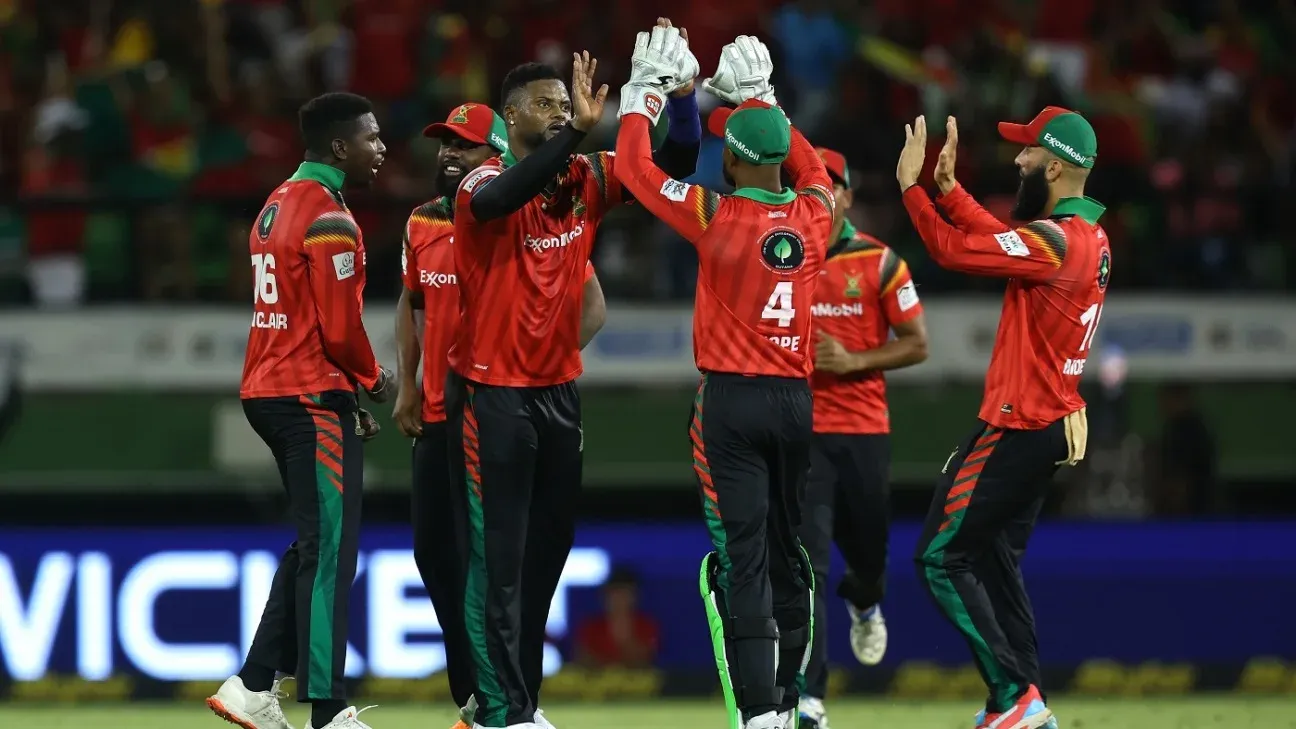
The Caribbean Premier League began in 2013, aiming to revive Caribbean cricket’s fortunes by creating a competition that celebrated the region’s cricket heritage while embracing modern franchise structures. The CPL’s island-hopping format, with matches played across different Caribbean nations, created a festival atmosphere as the tournament moved from Trinidad to Jamaica to Barbados, each venue bringing distinct cultural flavor to proceedings.
West Indies cricket had struggled during the 2000s with player exodus to more lucrative opportunities and declining international results. The CPL provided a platform for Caribbean players to showcase talents in their home region while earning competitive salaries. The league also attracted significant international participation, with players from every cricket-playing nation participating at various times.
The tournament’s timing during summer months made it attractive for international players between their domestic seasons and winter tours. This created fields featuring established stars alongside emerging Caribbean talent, producing high-quality cricket that attracted global broadcasting interest. The CPL demonstrated that global cricket leagues could succeed in markets beyond the massive population centers of India and Australia.
Music and entertainment integration reached new heights in the CPL, with every match featuring performances from Caribbean artists between innings and during strategic breaks. This fusion of cricket and Caribbean culture created an authentic product that felt distinctly different from leagues in other regions. The carnival atmosphere became the league’s calling card and differentiated it in an increasingly crowded franchise cricket marketplace.
Player development emerged as a significant CPL legacy with numerous young West Indian players using the league as a springboard to international careers. The tournament provided competitive exposure that the struggling regional domestic structure couldn’t offer. Several players who became West Indies stars in the late 2010s credit CPL experience as crucial to their development.
Pakistan Super League: Cricket Returns Home
The Pakistan Super League faced unique challenges launching in 2016 because security concerns prevented hosting matches in Pakistan initially. The tournament’s first editions played in the UAE demonstrated Pakistani cricket’s resilience and organizational capabilities. Despite the geographical displacement, the PSL generated enormous interest from Pakistani fans desperate for high-quality cricket involving their favorite players.
The gradual return of PSL matches to Pakistan beginning in 2017 and expanding annually represented emotional triumphs for Pakistani cricket. Each match played in Lahore, Karachi, or Islamabad felt like a victory against the circumstances that had isolated Pakistani cricket. The passionate crowds welcoming cricket back created some of the most moving scenes in modern cricket, with players visibly emotional about performing in front of home supporters.
The PSL’s draft system and salary cap created competitive balance that prevented any franchise from dominating through financial muscle alone. This parity meant every team entered tournaments with realistic championship hopes, sustaining fan interest across all franchises throughout the season. The competitive balance became a model that other leagues studied when addressing concerns about perennial powerhouses making competitions predictable.
International player participation in the PSL helped normalize Pakistan as a cricket destination again after years of isolation. Players who might have been hesitant about Pakistan travel saw colleagues participate safely and speak positively about their experiences. This gradually rebuilt confidence in Pakistan’s ability to host international cricket, contributing to the eventual return of bilateral series and other fixtures.
The league’s financial structure provided sustainable income for Pakistani cricketers who had limited earning opportunities during the country’s international isolation. Young players could now build cricket careers without necessarily securing national team selection immediately. This economic security encouraged talented athletes to pursue cricket professionally rather than abandoning the sport for other careers.
The Hundred: England’s Format Innovation
England’s The Hundred launched in 2021 with a completely new format reducing each innings to 100 balls rather than the standard 120 balls of T20 cricket. This innovation aimed to create something distinctly different rather than simply copying successful global cricket leagues from other countries. The ECB positioned The Hundred as cricket’s gateway drug, attracting new audiences who found even T20 cricket too long or complicated.
The competition’s team-based structure rather than county-based alignment represented a radical departure from English cricket tradition. Franchises like London Spirit and Manchester Originals replaced the historic county system for this tournament, creating controversy among traditional fans who viewed this as abandoning cricket’s heritage. Supporters argued that modern audiences needed fresh brands without historical baggage to connect with cricket.
Gender equality became a foundational principle with men’s and women’s competitions given equal billing in marketing and broadcasting. Matches scheduled as double-headers with women playing first ensured female cricketers received prime-time exposure rather than being relegated to secondary time slots. This approach advanced women’s cricket visibility in England significantly, creating new role models for young girls considering cricket.
The broadcasting strategy placing The Hundred on free-to-air television for the first time in years aimed to rebuild cricket’s accessibility after decades behind subscription paywalls. The BBC coverage exposed cricket to audiences who hadn’t watched the sport in years or had never watched cricket at all. Whether this translates to sustained growth remains debated, but the experiment addressed real concerns about cricket’s diminishing cultural footprint.
Critics argued The Hundred cannibalized existing competitions like the T20 Blast rather than truly expanding cricket’s appeal. The financial investment required to launch the league could have strengthened existing structures instead of creating something new. The controversy highlighted tensions within cricket between innovation advocates and tradition defenders, a debate playing out across global cricket leagues worldwide.
Emerging Leagues In New Cricket Markets
Major League Cricket launched in the United States in 2023, representing perhaps the most ambitious attempt to establish cricket in a non-traditional market. The league leveraged wealthy backers including established IPL franchise owners who viewed America as cricket’s final frontier. Purpose-built stadiums in cities like Dallas and Seattle demonstrated serious long-term investment rather than treating this as a quick money-making scheme.
The MLC’s timing during July allows international players to participate during their off-season, attracting genuine star power rather than relying solely on unknown American players. This star presence creates compelling cricket while American players develop by competing alongside established internationals. The gradual talent development approach recognizes that competitive American cricket won’t emerge overnight but requires patient investment over years or decades.
South Africa’s SA20 league partnmed with IPL franchise owners, creating formal connections between competitions and allowing resource sharing in coaching, analytics, and administration. This franchise ecosystem approach represents a new model where leagues aren’t isolated entities but connected components of a global cricket business network. The success of this interconnected model could influence how future leagues structure themselves.
The UAE’s International League T20 launched with significant financial backing and attracted high-profile players despite the country’s small population. The league positions itself as a bridge between Asian and Western cricket markets, leveraging the UAE’s geographical location and time zone accessibility. Whether this creates sustainable local fan engagement or remains primarily a television product for international audiences will determine long-term viability.
These newer global cricket leagues face common challenges around building genuine local fan bases rather than just attracting television audiences. Cricket competes against established sports in these markets, requiring patient investment in youth development, grassroots programs, and cultural integration. Quick commercial success is less important than creating foundations for cricket to become part of these nations’ sporting fabric over generations.
Economic Impact On Players And Traditional Cricket
Franchise cricket transformed cricket economics by creating a player-driven market where talent commanded unprecedented salaries. A player might earn more from six weeks of IPL participation than from an entire year of international cricket for some nations. This economic reality shifted power dynamics between players and cricket boards, with boards losing monopolistic control over player earning potential.
Career planning changed dramatically as players could now specialize in T20 cricket exclusively and earn excellent livings without international careers. Some players retired from Test cricket or even ODIs to focus on franchise cricket, choosing financial security and lifestyle preferences over the traditional prestige of representing their nation. This trend concerned cricket administrators who worried about international cricket’s future viability.
Younger players entering cricket now view franchise leagues as primary career objectives rather than stepping stones to international cricket. A successful IPL or BBL career offers financial rewards and global recognition that international cricket for smaller nations cannot match. This mindset shift influences how players develop their games, often prioritizing T20 skills over traditional longer-format techniques.
The global cricket calendar became increasingly congested as leagues proliferated, creating player burnout concerns and scheduling conflicts. Star players might participate in five or six franchise leagues annually while also fulfilling international commitments. This workload creates injury risks and raises questions about whether human bodies can sustain year-round high-intensity cricket.
Traditional cricket formats faced existential questions as global cricket leagues drew both players and audiences away from Test cricket and even ODIs. Attendance and viewership for international cricket in certain markets declined as fans saved their enthusiasm for franchise competitions featuring their local teams. Cricket boards struggled to compete for attention in entertainment marketplaces they no longer dominated.
Future Trajectory Of Global Franchise Cricket
Consolidation seems likely as the market cannot sustain unlimited franchise leagues. Some competitions will thrive and expand while others struggle to attract players, sponsors, and audiences. The strongest leagues with the most robust financial backing and established fan bases will survive, while marginal competitions may fold or merge with stronger entities.
A formal global franchise cricket calendar might emerge through ICC coordination or through market forces as leagues negotiate player availability windows. This would prevent excessive scheduling conflicts and ensure players can participate in multiple leagues without impossible travel demands or complete exhaustion. Organized structure would benefit everyone compared to the current chaotic calendar.
Women’s franchise cricket growth represents the sector’s most exciting frontier. Every major league now includes women’s competitions, and player salaries are rising significantly. The next decade could see women’s franchise cricket become financially sustainable with players earning professional livings comparable to other women’s professional sports.
Technological integration will accelerate with virtual reality viewing experiences, personalized streaming options, and interactive betting platforms transforming how fans consume franchise cricket. These innovations will create new revenue streams and deepen fan engagement beyond traditional broadcasting models. The most innovative leagues will lead these changes while others follow.
The relationship between franchise cricket and international cricket will continue evolving toward coexistence rather than competition. Both formats serve different purposes and attract different audiences. Successful global cricket leagues will recognize that healthy international cricket benefits franchise competitions by developing star players and maintaining cricket’s cultural significance. The most sustainable future involves symbiotic relationships rather than zero-sum competition between franchise and international cricket.
Read also :-
multan sultans vs karachi kings match scorecard
pakistan national cricket team vs south africa national cricket team standings
sri lanka national cricket team vs new zealand national cricket team match scorecard
india national cricket team vs sri lanka national cricket team match scorecard
