
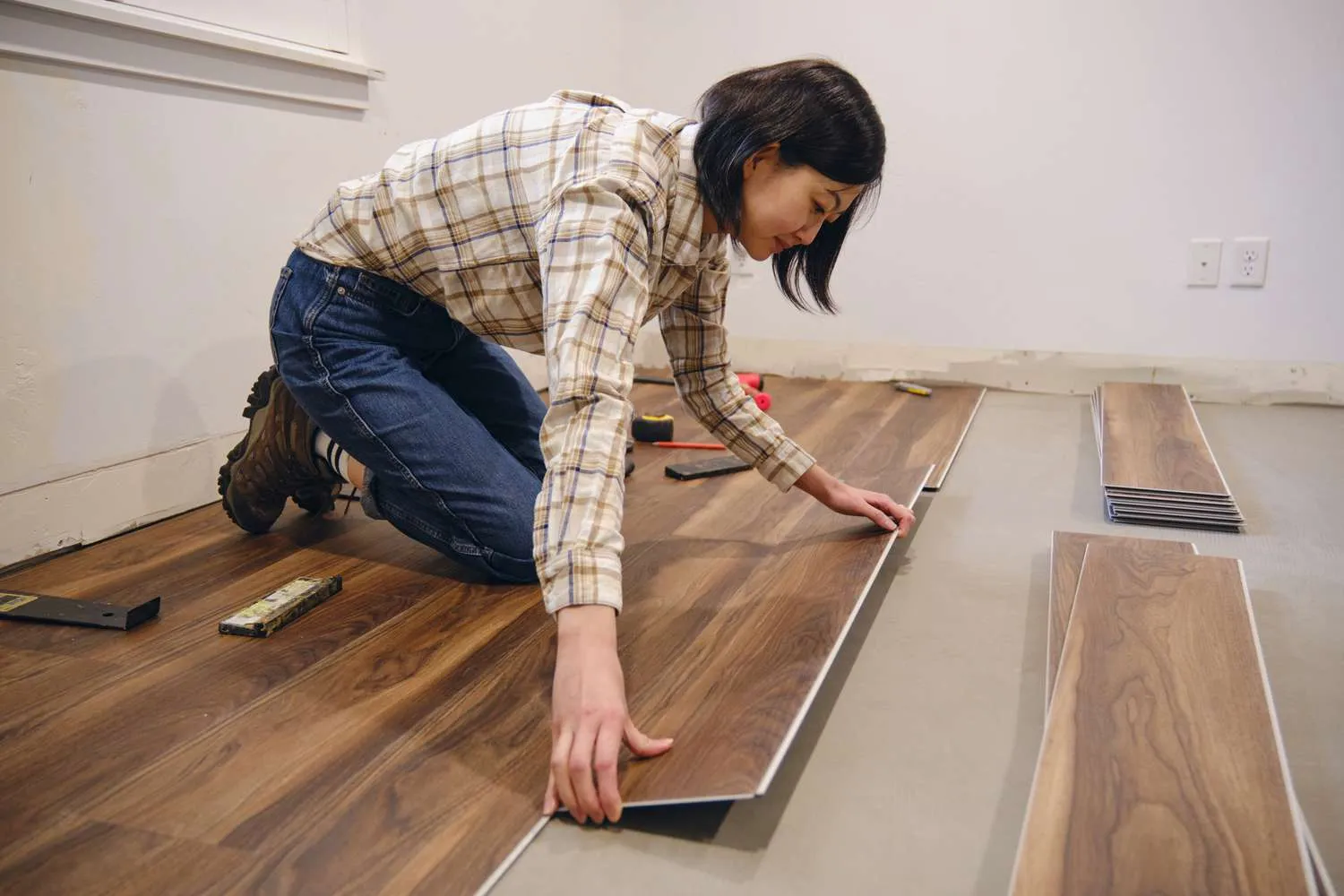
hardwood floor installation cost is one of the first questions homeowners ask when planning a flooring upgrade. Hardwood floors have long been associated with elegance, durability, and long-term value. From cozy apartments to luxury homes, this type of flooring continues to dominate interior design trends.
Table of Contents
ToggleBut installing hardwood flooring involves more than simply buying planks and placing them on the floor. Several factors influence the total price, including material type, labor, room size, and preparation work. Understanding these elements helps homeowners plan their budget and avoid unexpected expenses.
In this detailed guide, we’ll explore everything about hardwood flooring installation costs, including pricing factors, cost breakdowns, real-life examples, and expert insights that can help you make the best decision for your home.
Why Hardwood Flooring Remains a Popular Choice
Hardwood flooring has maintained its popularity for decades. One reason is its timeless beauty. Unlike many modern flooring materials that go out of style, hardwood floors often become more attractive with age.
Another major advantage is durability. Properly installed hardwood floors can last 40 to 80 years or even longer with regular maintenance. Many homeowners also appreciate the ability to refinish hardwood surfaces, which allows the floor to look new again without complete replacement.
Hardwood flooring also increases property value. Real estate professionals frequently highlight hardwood floors as a desirable feature that attracts buyers. Because of these benefits, homeowners often see hardwood installation as a long-term investment rather than just a renovation project.
Average hardwood floor installation cost in 2026
When researching hardwood floor installation cost, homeowners usually want a clear estimate before starting their renovation project. While prices vary by region and material quality, general cost ranges can still provide a useful benchmark.
On average, hardwood floor installation typically costs between $8 and $18 per square foot, including materials and labor. For a standard 1,000-square-foot installation project, the total cost may range between $8,000 and $18,000 depending on the wood type and complexity of installation.
Entry-level hardwood options like oak may cost closer to the lower end of the range. Premium hardwood species such as walnut or exotic woods can significantly increase the overall price.
However, these numbers only represent averages. The final price often depends on several key factors, which we will explore in detail in the following sections.
Factors That Influence hardwood floor installation cost
Several variables affect the total installation cost of hardwood flooring. Understanding these elements helps homeowners estimate their project budget more accurately.
Type of Hardwood Material
The type of wood you choose is one of the most significant pricing factors. Domestic hardwoods like oak, maple, and hickory are generally more affordable because they are widely available.
Exotic hardwoods, on the other hand, tend to be more expensive due to limited supply and import costs. Brazilian cherry, teak, and mahogany often cost considerably more than standard domestic wood options.
Solid Hardwood vs Engineered Hardwood
Solid hardwood consists of a single piece of wood and is known for its longevity and ability to be refinished multiple times.
Engineered hardwood is constructed from layers of wood with a hardwood veneer on top. It is generally less expensive and offers better moisture resistance, making it suitable for basements and humid areas.
Both options can impact the hardwood floor installation cost, depending on the brand and quality.
Room Size and Layout
Large rooms typically reduce the cost per square foot because installers can work more efficiently. Smaller or irregularly shaped rooms may increase labor costs due to extra cutting and adjustments.
Complex layouts with stairs, corners, or custom designs also increase installation time and cost.
Subfloor Condition
Before hardwood flooring can be installed, the subfloor must be clean, dry, and level. If the subfloor requires repairs or replacement, the overall project cost may increase.
Subfloor preparation can include leveling compounds, moisture barriers, or plywood replacement.
Labor Costs for Hardwood Floor Installation
Labor is a major component of the hardwood floor installation cost. Professional installers typically charge between $3 and $8 per square foot depending on the complexity of the project.
In regions where skilled labor is in high demand, installation rates can be higher. Specialized installations such as herringbone patterns, diagonal layouts, or custom borders may also increase labor costs.
Professional installation ensures the floor is properly secured, aligned, and finished. Poor installation can lead to problems such as squeaking, gaps, or uneven surfaces, which is why many homeowners prefer hiring experienced flooring professionals.
Cost Differences Between Hardwood Types
Different wood species vary widely in price. Oak remains one of the most common and affordable hardwood flooring choices. It offers durability and a classic appearance that works well in many home styles.
Maple flooring tends to be slightly more expensive but offers a smooth, modern look. Walnut and cherry are considered premium options with deeper tones and distinctive grain patterns.
Exotic hardwoods like Brazilian walnut or tigerwood often cost significantly more due to their rarity and import costs. These options are usually chosen for luxury homes or high-end interior designs.
Choosing the right wood species is essential because it directly affects the overall hardwood floor installation cost.
Additional Costs Homeowners Should Expect
Beyond materials and labor, several additional expenses can affect the final price of hardwood floor installation.
Old flooring removal is a common extra cost. If carpet, tile, or laminate must be removed before installation, contractors may charge additional fees.
Floor finishing is another potential cost. Some hardwood flooring comes prefinished, while others require sanding and sealing after installation. On-site finishing increases labor time but allows for more customization.
Trim and molding replacement can also add to the project cost. Baseboards, transitions, and thresholds often need adjustment after new flooring is installed.
Delivery charges, equipment rental, and disposal fees may also contribute to the final budget.
Real Homeowner Example: Hardwood Flooring Renovation
Consider a homeowner renovating a 1,200-square-foot living area. After researching options, they chose mid-range oak hardwood flooring.
The material cost averaged about $6 per square foot, totaling roughly $7,200. Labor charges were approximately $4 per square foot, adding another $4,800 to the project.
Subfloor preparation and old carpet removal added around $1,000. After including finishing and trim adjustments, the total renovation cost reached approximately $13,000.
This example shows how the hardwood floor installation cost can vary depending on project size and additional requirements.
How to Reduce Hardwood Flooring Installation Expenses
Many homeowners look for ways to manage their flooring budget without compromising quality. Careful planning can significantly reduce overall costs.
One effective strategy is choosing common hardwood species like oak or maple instead of exotic woods. These options still provide durability and visual appeal at a lower price point.
Scheduling installation during slower seasons may also reduce labor costs. Contractors often offer better pricing during off-peak renovation periods.
Another helpful approach is preparing the room before installers arrive. Removing furniture, carpets, or baseboards ahead of time can sometimes lower labor charges.
While DIY installation may seem tempting, professional installation often prevents costly mistakes that could require repairs later.
hardwood floor installation cost vs Other Flooring Options
When comparing flooring materials, hardwood is generally more expensive than laminate or vinyl. However, it often outperforms them in longevity and resale value.
Laminate flooring may cost between $3 and $8 per square foot installed, making it one of the most budget-friendly options. Vinyl plank flooring also offers lower installation costs and strong water resistance.
Despite these alternatives, hardwood flooring continues to be viewed as a premium investment that enhances home value and aesthetic appeal.
Many homeowners ultimately choose hardwood because its durability and timeless design justify the higher installation cost.
Long-Term Value of Hardwood Flooring
Although the upfront hardwood floor installation cost can seem high, many homeowners find that hardwood floors deliver excellent long-term value.
Unlike carpet or laminate, hardwood floors can be refinished several times throughout their lifespan. This means the same floor can last decades with proper care.
Hardwood floors are also easier to maintain and more resistant to wear compared to many other materials. Routine cleaning and occasional refinishing help preserve their appearance.
In addition, homes with hardwood flooring often sell faster and at higher prices in competitive real estate markets.
Expert Tips Before Installing Hardwood Floors
Experienced flooring contractors often recommend evaluating moisture levels in the home before installation. Hardwood expands and contracts with humidity, so climate conditions should always be considered.
Allowing hardwood planks to acclimate to the home environment before installation is another important step. This process helps prevent warping or gaps after installation.
Professional installers also recommend choosing a finish that complements your lifestyle. Homes with pets or children may benefit from more durable finishes that resist scratches and wear.
Proper maintenance, including regular cleaning and protective pads under furniture, helps extend the life of hardwood floors and protects the investment.
Choosing the Right Flooring Professional
Selecting a qualified installer plays a critical role in ensuring the success of a hardwood flooring project. Experienced contractors follow industry standards and use professional equipment to achieve a flawless finish.
Homeowners should always review contractor portfolios, read customer reviews, and request multiple estimates before making a final decision.
A reliable flooring professional will also explain the full breakdown of the hardwood floor installation cost, including materials, labor, and potential additional expenses.
Clear communication and transparent pricing help prevent surprises during the renovation process.
Hardwood Flooring Trends Influencing Installation Costs
Interior design trends also influence hardwood flooring choices and pricing. Wide plank flooring has become increasingly popular because it creates a more spacious and modern appearance.
Matte finishes and natural wood tones are currently trending in many contemporary homes. These finishes emphasize the authentic character of hardwood grain patterns.
Reclaimed wood flooring is another growing trend. While environmentally friendly and visually unique, reclaimed wood can sometimes increase installation costs due to additional preparation and customization.
These design preferences continue to shape the evolving market for hardwood flooring installations.
Final Perspective on Hardwood Flooring Investments
Hardwood flooring remains one of the most respected and valuable home upgrades available today. Its combination of durability, beauty, and long-term value continues to attract homeowners worldwide.
Understanding pricing factors, material choices, and installation requirements helps homeowners plan their renovation projects with confidence.
By researching carefully and working with experienced professionals, homeowners can ensure their hardwood flooring installation delivers both aesthetic appeal and lasting performance.
