
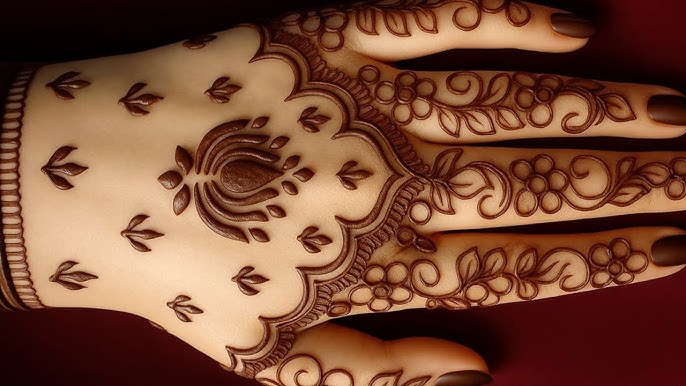
mehndi design aesthetic is more than just body art—it is a creative expression of culture, beauty, and personality. Across South Asia and the Middle East, mehndi has been used for centuries during weddings, festivals, and special celebrations. Today, the concept has evolved into something even more artistic and visually pleasing.
When someone talks about a mehndi design aesthetic, they usually mean a style that looks balanced, elegant, and visually harmonious. It focuses on clean patterns, graceful lines, and designs that enhance the natural beauty of the hands and feet.
In recent years, social media platforms have helped this art form reach a global audience. Brides, fashion lovers, and even minimal design enthusiasts now search for the perfect mehndi design aesthetic to match their personal style.
This article explores the history, trends, artistic elements, and inspiration behind modern mehndi designs that create a truly aesthetic look.
The Cultural Roots Behind Mehndi Beauty
Mehndi has deep roots in cultural traditions. In India, Pakistan, and many Middle Eastern countries, applying henna is an important part of celebrations. Brides often have elaborate mehndi ceremonies where family and friends gather to celebrate before the wedding.
Historically, henna was believed to bring blessings, happiness, and good luck. The darker the color of the mehndi, the stronger the love between the bride and groom—this belief is still widely shared in many cultures.
While traditions remain strong, modern artists now focus on the mehndi design aesthetic to ensure every design looks visually balanced and contemporary. The goal is to blend heritage with modern fashion.
Today’s designs often mix traditional motifs like paisleys and flowers with modern geometric shapes and minimal line work. This fusion creates designs that look timeless yet trendy.
Understanding What Creates a Mehndi Design Aesthetic
The beauty of a mehndi design aesthetic lies in its visual harmony. It is not just about filling the hands with patterns but creating a design that feels natural and artistic.
One key element is spacing. Aesthetic mehndi designs carefully balance empty space with detailed patterns. Too much detail can make the design look cluttered, while too much space can make it appear incomplete.
Another important aspect is symmetry. Many traditional mehndi designs use mirrored patterns on both hands. This symmetry creates a pleasing and elegant look that naturally attracts attention.
Flow is also essential. A good mehndi design aesthetic follows the natural curves of the hand or foot. The lines and motifs appear to move smoothly across the skin, creating a graceful effect.
Modern mehndi artists often say that the best designs are those that feel effortless yet carefully crafted.
mehndi design aesthetic Trends in Modern Bridal Fashion
Bridal mehndi has seen a huge transformation over the last decade. Earlier, brides preferred extremely detailed designs that covered the entire arm and feet. While these designs are still popular, many brides now prefer something more stylish and refined.
The modern mehndi design aesthetic focuses on elegance rather than complexity. Designs are created with clean lines, subtle patterns, and well-placed motifs that highlight the bride’s jewelry and outfit.
Minimal bridal mehndi is becoming especially popular. Instead of heavy patterns, artists create delicate floral trails, elegant mandalas, or thin vines that wrap around the hands.
Another rising trend is storytelling mehndi. Brides sometimes include small symbols or illustrations representing their love story. These tiny details add emotional meaning while still maintaining the overall aesthetic beauty.
Because weddings are also photographed extensively, aesthetic mehndi designs are often created with photography in mind. The patterns are arranged so they look stunning in close-up shots.
The Role of Minimalism in Mehndi Design Aesthetic
Minimalism has influenced many areas of modern design, including mehndi art. A minimalist mehndi design aesthetic focuses on simplicity and clarity rather than heavy decoration.
These designs often feature thin lines, small flowers, tiny leaves, and subtle geometric shapes. Instead of covering the entire hand, the design may only decorate the fingers or the center of the palm.
This style is especially popular among young women who want something stylish but not overly traditional. Minimal mehndi works well for festivals, parties, or casual events.
Another advantage of minimalist mehndi is that it dries quickly and looks neat. It is perfect for people who want the beauty of henna without spending hours applying a complicated design.
Minimal designs also allow jewelry, nail art, and outfits to stand out while still adding a touch of elegance to the overall look.
Social Media and the Rise of Aesthetic Mehndi Art
Platforms like Instagram and Pinterest have played a major role in shaping modern mehndi trends. Artists now share their work online, reaching millions of viewers around the world.
As a result, the idea of a mehndi design aesthetic has become more refined and experimental. Artists are constantly exploring new patterns, shapes, and styles.
Short video platforms have also made mehndi tutorials extremely popular. People can watch step-by-step videos showing how a design evolves from a simple line into an intricate masterpiece.
This accessibility has encouraged many beginners to try creating their own mehndi art. Even simple designs can look beautiful when the aesthetic balance is maintained.
Social media has also encouraged cross-cultural inspiration. Indian mehndi patterns now mix with Arabic and Moroccan styles, creating unique hybrid designs.
Popular Patterns That Enhance Mehndi Beauty
Certain motifs are commonly used in designs because they naturally contribute to the aesthetic appeal of mehndi.
Floral patterns are among the most loved elements. Roses, lotus flowers, and delicate vines create a soft and feminine look. These patterns flow easily across the hand and complement almost any outfit.
Paisley shapes are another timeless motif. Their curved structure naturally fits the shape of the hand and adds depth to the design.
Mandala patterns are widely used in modern mehndi art. A mandala placed in the center of the palm instantly becomes the focal point of the design, creating symmetry and visual balance.
Geometric patterns are also becoming more common in modern mehndi design aesthetic styles. Triangles, lines, and grids create a bold and contemporary appearance.
The beauty of mehndi lies in how these elements combine to create a harmonious visual composition.
Choosing the Right Mehndi Design for Your Style
Every person has a different style, and mehndi designs should reflect that individuality. Some people prefer traditional designs that fill the entire hand, while others prefer a modern minimalist approach.
When choosing a mehndi design aesthetic, it is helpful to consider the occasion. For weddings or major festivals, elaborate designs may feel more appropriate. For smaller celebrations, a simple pattern may look more elegant.
Skin tone and hand shape can also influence how a design appears. Some designs look better on longer fingers, while others suit smaller hands.
Many professional mehndi artists recommend trying a small design first. This allows the client to see how the color develops and how the pattern complements their style.
The goal is always to create a design that feels personal, meaningful, and visually pleasing.
The Importance of Quality Henna in Aesthetic Designs
Even the most beautiful design will not look perfect if the henna quality is poor. Natural henna powder produces a rich reddish-brown color that develops gradually over time.
Many experienced artists insist on using fresh henna paste made from natural ingredients like lemon juice, sugar, and essential oils. This ensures a deeper stain and smoother application.
High-quality henna also helps maintain the clarity of fine lines, which is essential for achieving a strong mehndi design aesthetic. Thin details can easily blur if the paste is too thick or poorly mixed.
After applying mehndi, proper care is important. Allowing the paste to stay on the skin for several hours helps the color develop fully. Natural oils can also help protect the stain.
These small details make a significant difference in how beautiful the final design looks.
How Professional Mehndi Artists Perfect Their Craft
Behind every stunning mehndi design is years of practice and dedication. Professional artists often begin learning at a very young age.
They study traditional patterns, experiment with modern techniques, and continuously refine their skills. Many artists practice drawing patterns on paper before applying them to skin.
Creating a balanced mehndi design aesthetic requires patience and creativity. Artists must understand how patterns flow across different parts of the hand and how to maintain symmetry.
Some artists also develop their own signature styles. For example, one artist may specialize in bold Arabic patterns, while another focuses on delicate bridal designs.
Workshops and online courses have also become popular, allowing artists to learn from experts around the world.
Mehndi as a Form of Personal Expression
For many people, mehndi is not just decoration—it is a way to express personality and emotion. Some designs symbolize love, happiness, or cultural heritage.
Brides often choose patterns that reflect their relationship, their traditions, or their dreams for the future.
Even outside weddings, people enjoy experimenting with creative designs. Festivals like Diwali and Eid often inspire unique patterns that match festive clothing.
The concept of mehndi design aesthetic allows individuals to explore beauty in a deeply personal way. Each design becomes a small piece of art created directly on the skin.
This artistic freedom is one of the reasons why mehndi continues to grow in popularity around the world.
Why Aesthetic Mehndi Designs Continue to Grow in Popularity
Modern fashion constantly evolves, but mehndi remains timeless. The reason is simple: it combines tradition with creativity.
A well-crafted mehndi design aesthetic enhances natural beauty while honoring centuries of cultural heritage. It adapts easily to new trends without losing its traditional charm.
Today, designers, influencers, and brides continue to explore new ways to make mehndi designs look elegant and modern. From minimalist finger patterns to elaborate bridal masterpieces, the possibilities are endless.
As long as people appreciate beauty, culture, and artistic expression, mehndi will remain an important and cherished art form.
Read also:
mehndi design aesthetic
simple nail art designs
aesthetic mehendi
instagram stylish full hand mehndi design
boys hand mehndi
