
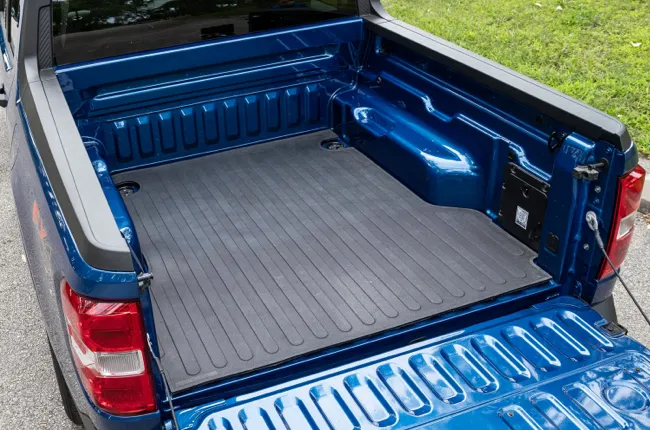
Pickup truck bed liners are often the first upgrade experienced truck owners recommend, and that advice comes from years of real use, not marketing hype. The truck bed takes constant abuse, from sliding cargo and sharp tools to weather exposure and chemical spills. Without protection, even the toughest beds start to show damage faster than expected.
A bare metal bed may look fine when new, but dents, scratches, and rust appear surprisingly quickly. Bed liners act as a shield, absorbing impact and preventing corrosion. They preserve both function and resale value, making them a practical investment rather than a cosmetic add-on.
For anyone who actually uses their truck, bed protection becomes essential.
Why truck beds need dedicated protection
Pickup trucks are designed for work, but manufacturers leave beds relatively unprotected from daily wear. Paint alone is not enough to withstand heavy loads, gravel, construction tools, or outdoor equipment.
Once paint is scratched, moisture creeps in. Over time, rust forms, weakening the bed and creating permanent damage. Repairing a rusted bed is expensive and often impractical.
Bed liners solve this by creating a durable barrier. They absorb friction, resist moisture, and take the damage so the truck does not have to.
The evolution of pickup truck bed liners
Early bed liners were basic drop-in plastic shells. They provided some protection but introduced new issues like trapped moisture and movement under load. Over time, technology improved.
Modern liners now include spray-on coatings, molded custom-fit designs, and hybrid materials that combine strength with flexibility. These improvements address earlier shortcomings while expanding usability.
The evolution reflects real-world feedback from drivers who needed solutions that worked, not just accessories that looked good.
Pickup truck bed liners and real-world work scenarios
Contractors, landscapers, and farmers often share similar experiences. Tools slide around, loads shift, and debris scratches surfaces. A lined bed changes that experience entirely.
With a liner, cargo stays more stable. The textured surface reduces sliding, making loading and unloading safer. Heavy items no longer grind directly against metal.
These practical benefits add up over years of use, especially for trucks that earn their keep daily.
Understanding different liner materials
Materials matter more than most buyers realize. Plastic liners are lightweight and affordable, but they can crack in extreme temperatures. Spray-on liners bond directly to the bed, forming a seamless protective layer.
Rubber-based liners offer flexibility and impact absorption. Composite materials balance toughness with reduced weight.
Each material suits different needs. Understanding how and where you use your truck guides the right choice.
Pickup truck bed liners and weather resistance
Weather exposure is relentless. Rain, snow, heat, and UV rays all degrade unprotected beds. Liners block moisture and resist fading, cracking, and peeling.
Spray-on liners are particularly effective because they seal seams and corners. This prevents water from pooling in hidden areas.
Weather resistance is not just about appearance. It directly affects structural integrity over time.
A real-life example of liner value
A delivery driver using a pickup for daily transport noticed severe paint wear after one year without a liner. Loading boxes repeatedly wore through the paint, exposing bare metal.
After installing a liner, wear stopped completely. Years later, the bed still looked solid. The liner paid for itself many times over by preventing damage.
Stories like this explain why experienced owners rarely skip bed protection on their next truck.
Pickup truck bed liners and cargo management
Beyond protection, liners improve cargo control. Textured surfaces grip items better, reducing movement during transit.
This stability protects cargo as well as the truck. Fragile equipment is less likely to shift or tip. Tie-down points also remain more usable without slippery metal surfaces.
Better cargo control improves safety and reduces stress while driving.
Installation quality and long-term performance
Installation quality determines how well a liner performs. Poorly installed liners can peel, bubble, or trap moisture.
Professional spray-on installations usually offer the best adhesion and longevity. Drop-in liners require precise fitment to avoid movement.
Attention to installation details separates lasting protection from short-term fixes.
Pickup truck bed liners and maintenance simplicity
A lined bed is easier to clean. Dirt, sand, and spills rinse out quickly without staining paint.
Chemical resistance is another benefit. Fuel, oil, and cleaning agents are less likely to cause damage.
This ease of maintenance encourages owners to keep beds cleaner, extending usability and appearance.
Impact resistance and heavy-duty use
Heavy loads drop into truck beds more often than drivers admit. Liners absorb shock and distribute impact force.
This reduces denting and deformation. Over time, this protection preserves bed shape and load-carrying ability.
For off-road enthusiasts or construction work, impact resistance is a critical advantage.
Pickup truck bed liners and resale value
When it comes time to sell or trade in, bed condition matters. Buyers inspect beds closely for signs of abuse.
A well-maintained liner often reveals a bed in near-original condition underneath. This boosts buyer confidence and resale value.
Dealers frequently note that protected beds make trucks easier to sell.
Professional experience and liner recommendations
Automotive professionals consistently recommend liners to new truck owners. From fleet managers to mechanics, the advice is the same.
They see the long-term effects of neglect. Rust, cracked paint, and weakened structures are common in unprotected beds.
Professional insight reinforces what experienced owners already know.
Pickup truck bed liners and customization options
Modern liners come in various textures and finishes. Some offer smoother surfaces for easier cleaning. Others emphasize grip for work use.
Color options and UV-resistant coatings allow subtle customization without compromising function.
Customization enhances ownership pride while maintaining protection.
Environmental exposure and chemical resistance
Many trucks carry fertilizers, salt, or chemicals. Bare metal reacts poorly to these substances.
Liners create a chemical-resistant barrier, preventing corrosion and contamination. This is especially valuable in agricultural or industrial use.
Protection extends beyond physical damage to chemical safety.
Pickup truck bed liners for recreational users
Recreational truck owners benefit as much as professionals. Camping gear, bikes, kayaks, and outdoor equipment can scratch beds easily.
Liners make recreational loading less stressful. Owners focus on enjoying activities rather than worrying about damage.
Protection supports both work and play equally well.
Noise reduction benefits
An often-overlooked benefit is noise reduction. Bare metal amplifies sound from shifting cargo.
Lined beds dampen noise, creating a quieter cabin experience. Long drives feel more comfortable without constant rattling.
This subtle improvement enhances daily driving enjoyment.
Pickup truck bed liners and long-term ownership confidence
Confidence grows when owners know their truck is protected. They load heavier items without hesitation.
This confidence encourages full use of the truck’s capabilities. The vehicle feels like a tool, not something fragile to tiptoe around.
Ownership satisfaction increases as worries decrease.
Comparing initial cost to lifetime value
Some owners hesitate due to upfront cost. Over time, however, liners save money by preventing repairs and preserving value.
Repairing rusted or dented beds costs far more than preventive protection.
Viewed over the life of the truck, liners are economical.
Pickup truck bed liners and fleet operations
Fleet managers rely heavily on liners to maintain vehicle condition. Multiple drivers, heavy use, and tight schedules demand durability.
Liners standardize protection across fleets, simplifying maintenance and inspections.
Fleet experience proves liner effectiveness at scale.
The role of trust and EEAT in choosing liners
Experience shows what works. Expertise explains why it works. Authority comes from consistent results. Trust is earned when protection performs as promised.
Choosing reputable liner solutions backed by real-world use aligns with these principles.
Reliable information leads to confident decisions.
Pickup truck bed liners as a practical upgrade
Pickup truck bed liners are not luxury accessories. They are practical tools that extend truck life, improve usability, and protect investment.
They support daily work, weekend adventures, and long-term ownership equally well.
When protection is done right, the truck performs better, looks better, and lasts longer.
Pickup truck bed liners and informed truck ownership
Understanding why liners matter changes how owners approach truck care. It becomes proactive rather than reactive.
This mindset leads to better maintenance decisions across the board.
With the right liner choice, pickup truck bed liners become one of the smartest upgrades a truck owner can make, delivering value every single day.
Read also:
