
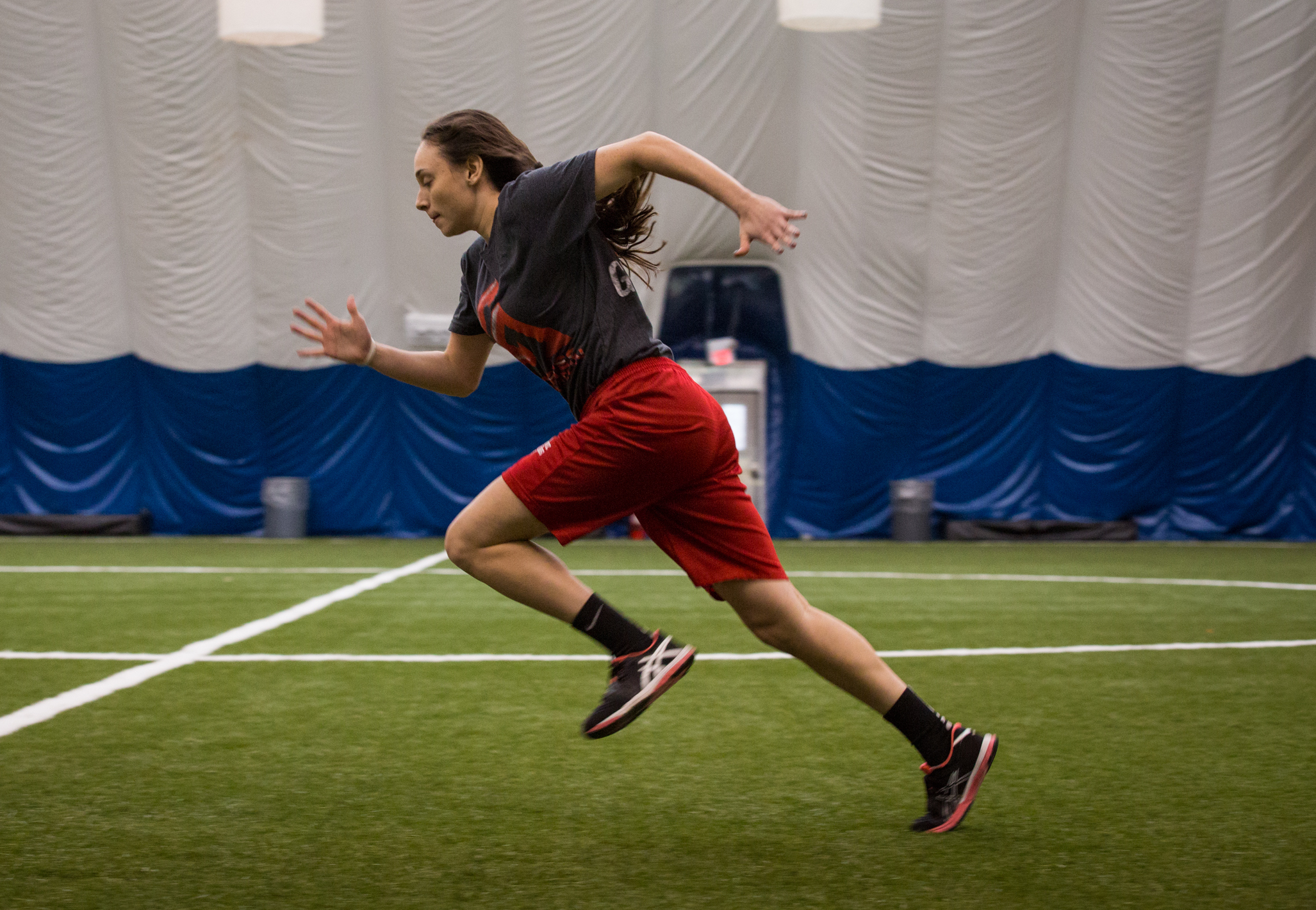
Sports training techniques play a crucial role in helping athletes improve strength, endurance, speed, and overall performance. Whether someone is preparing for professional competitions or simply trying to stay fit, the right training approach can transform physical ability and confidence.
Table of Contents
ToggleBehind every successful athlete is a carefully designed training routine built by coaches, fitness experts, and sports scientists. These routines combine physical conditioning, skill practice, recovery strategies, and mental preparation. Modern training programs are based on scientific research and real-world experience, ensuring athletes develop safely and effectively.
Many world-class athletes such as Cristiano Ronaldo and Serena Williams have often spoken about how disciplined training routines helped them maintain peak performance for many years. Their success highlights how structured preparation can shape a sports career.
Understanding the most effective training methods helps both beginners and experienced athletes unlock their full potential.
The Importance of sports training techniques in Athletic Development
Every sport requires a unique combination of physical skills and mental discipline. Football players need endurance and agility, tennis players depend on reaction speed and precision, while cricket athletes rely on coordination and stamina.
This is why sports training techniques are designed specifically to match the demands of each sport. Training programs often include strength workouts, flexibility drills, speed exercises, and sport-specific practice sessions.
Professional teams competing in leagues such as the Premier League rely on advanced training facilities and experienced coaching staff to prepare players for intense competitions.
These training systems focus not only on improving performance but also on reducing the risk of injuries. Balanced workouts ensure athletes build strength gradually without placing unnecessary stress on muscles and joints.
Athletes who follow structured training routines usually show better consistency and longer careers compared to those who rely on unplanned workouts.
Strength Development and Power Training
Strength is the foundation of many athletic skills. From sprinting and jumping to tackling and throwing, powerful muscles allow athletes to perform explosive movements.
One of the most widely used sports training techniques for building strength involves resistance training. This includes exercises such as squats, deadlifts, lunges, and push-ups that target multiple muscle groups.
Strength training improves muscle coordination and helps athletes generate more force during movement. Coaches carefully design these workouts to match the needs of each athlete’s sport.
For example, football players often focus on lower-body strength to improve sprinting speed and stability. Meanwhile, tennis players may train their core muscles to enhance balance and stroke power.
Regular strength workouts also help protect joints and ligaments, making athletes more resilient during high-intensity competitions.
Speed and Agility Training for Competitive Sports
Speed can often determine the difference between winning and losing in competitive sports. Athletes who can react quickly and change direction efficiently gain a significant advantage during matches.
Many modern sports training techniques include agility drills designed to improve reaction time and coordination. These exercises involve quick movements such as ladder drills, cone drills, and shuttle runs.
Speed training focuses on short bursts of high-intensity running combined with proper recovery periods. Sprint workouts help athletes develop explosive acceleration while improving cardiovascular fitness.
In football leagues such as the UEFA Champions League, players frequently rely on rapid direction changes to outmaneuver opponents.
Agility drills also strengthen the connection between the brain and muscles, allowing athletes to respond quickly to changing situations during competition.
Sports Training Techniques for Endurance and Stamina
Endurance is essential for athletes who compete in long matches or extended tournaments. Without proper stamina, even the most skilled players may struggle to maintain performance throughout the game.
Endurance-based sports training techniques focus on improving cardiovascular fitness and oxygen efficiency. Activities such as long-distance running, cycling, and interval training help build stamina over time.
Cricket tournaments like the ICC Cricket World Cup require players to maintain concentration and physical energy for many hours. Endurance training ensures athletes can sustain high levels of performance throughout the entire match.
Interval training has become especially popular in modern sports conditioning. This method alternates between intense activity and short recovery periods, simulating the rhythm of real competitions.
By gradually increasing training intensity, athletes improve their ability to perform consistently during demanding matches.
Skill-Specific Practice in Professional Sports
While physical fitness is essential, mastering sport-specific skills remains the most important aspect of athletic training.
Football players practice passing accuracy, shooting techniques, and ball control. Tennis players focus on serving consistency and footwork. Basketball athletes refine dribbling, shooting, and defensive positioning.
These specialized drills are central to effective sports training techniques because they replicate real game situations.
Athletes also review match footage and analyze their performances to identify areas for improvement. Coaches use video analysis to break down tactics and help players understand their strengths and weaknesses.
Continuous skill practice ensures that athletes develop confidence and precision during competitive matches.
Mental Preparation and Focus Training
Physical fitness alone cannot guarantee success in sports. Mental strength plays an equally important role in determining how athletes perform under pressure.
Many elite athletes train their minds just as intensely as their bodies. Visualization techniques, breathing exercises, and concentration drills are common components of modern sports training techniques.
Athletes often imagine successful performances before competitions. This mental rehearsal helps build confidence and reduce anxiety during important matches.
Sports psychologists also work with teams to improve communication, teamwork, and resilience. These mental strategies help athletes stay focused even during difficult moments in competition.
Mental preparation has become a crucial element in high-level sports performance.
Recovery and Injury Prevention Strategies
Training hard is important, but recovery is just as essential for long-term athletic success. Without proper rest, athletes risk fatigue, decreased performance, and potential injuries.
Modern sports training techniques emphasize recovery through stretching, hydration, nutrition, and sleep.
Stretching exercises help maintain flexibility and reduce muscle tension after intense workouts. Recovery sessions may also include light jogging, yoga, or swimming to promote blood circulation.
Sports medicine experts work closely with athletes to monitor physical condition and prevent injuries. Advanced physiotherapy treatments and rehabilitation programs allow injured athletes to return to competition safely.
Balanced recovery routines ensure athletes maintain peak performance throughout long seasons.
Technology and Modern Training Innovations
Technology has transformed the way athletes train and prepare for competitions. Wearable devices now track heart rate, running distance, and muscle activity during workouts.
Coaches use these tools to evaluate the effectiveness of sports training techniques and adjust programs based on real-time data.
Video analysis software allows teams to review matches in detail and study opponent strategies. These insights help players understand tactical patterns and improve decision-making during games.
Virtual reality training has also emerged as an innovative method for developing reaction speed and spatial awareness.
These technological advancements continue to reshape the future of sports training and performance development.
Youth Development and Athlete Foundations
Many professional athletes begin their training journeys during childhood. Youth academies and sports schools provide structured environments where young athletes learn fundamental skills and discipline.
Effective sports training techniques for young athletes focus on developing coordination, balance, and basic physical fitness rather than intense competition.
Coaches emphasize enjoyment and skill development to encourage long-term participation in sports.
Youth training programs also teach teamwork, sportsmanship, and respect for opponents. These values help shape not only strong athletes but also responsible individuals.
Early exposure to proper training methods often lays the foundation for future success in professional sports.
Nutrition and Physical Performance
Nutrition plays a critical role in supporting athletic training. Athletes require balanced diets that provide enough energy to sustain intense workouts and competitions.
Modern sports training techniques integrate nutrition planning with physical conditioning programs. Dietitians help athletes maintain the right balance of carbohydrates, proteins, and healthy fats.
Proper hydration is equally important, especially during high-intensity training sessions. Dehydration can reduce endurance and affect concentration during matches.
Athletes who maintain healthy eating habits often experience faster recovery, improved strength, and greater overall performance.
Nutrition, training, and recovery work together to create a complete system for athletic success.
Coaching Experience and the Role of Expertise
Behind every successful athlete stands a knowledgeable coaching team. Experienced coaches design training programs, monitor progress, and provide valuable feedback during practice sessions.
Their understanding of sports training techniques allows them to identify the most effective strategies for improving performance.
Professional teams often include specialists such as strength coaches, physiotherapists, and performance analysts. Each expert contributes unique knowledge to support the athlete’s development.
This collaborative approach reflects the EEAT principle of expertise and authority in sports training.
Athletes benefit greatly from guidance provided by professionals who understand the physical and psychological demands of competitive sports.
Read also:
portugal national football team vs spain national football team lineups
uruguay national football team vs argentina national football team lineups
france national football team vs croatia national football team lineups
japan national football team vs indonesia national football team matches
